One line to call
A single referral number for termite calls in Palm Bay.
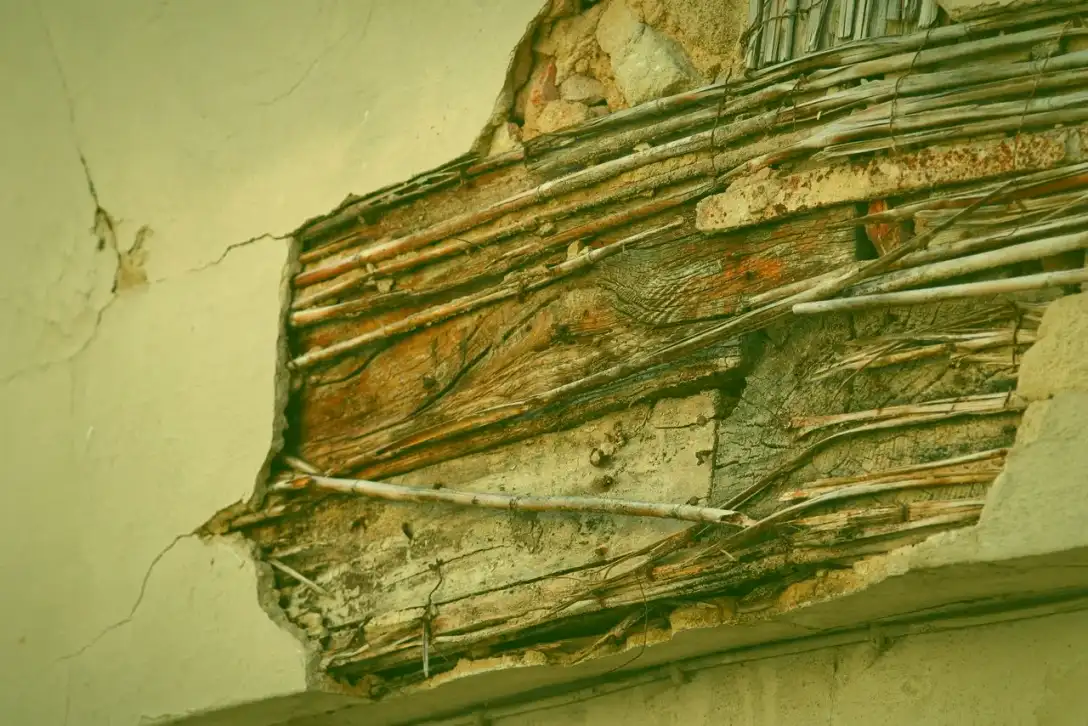
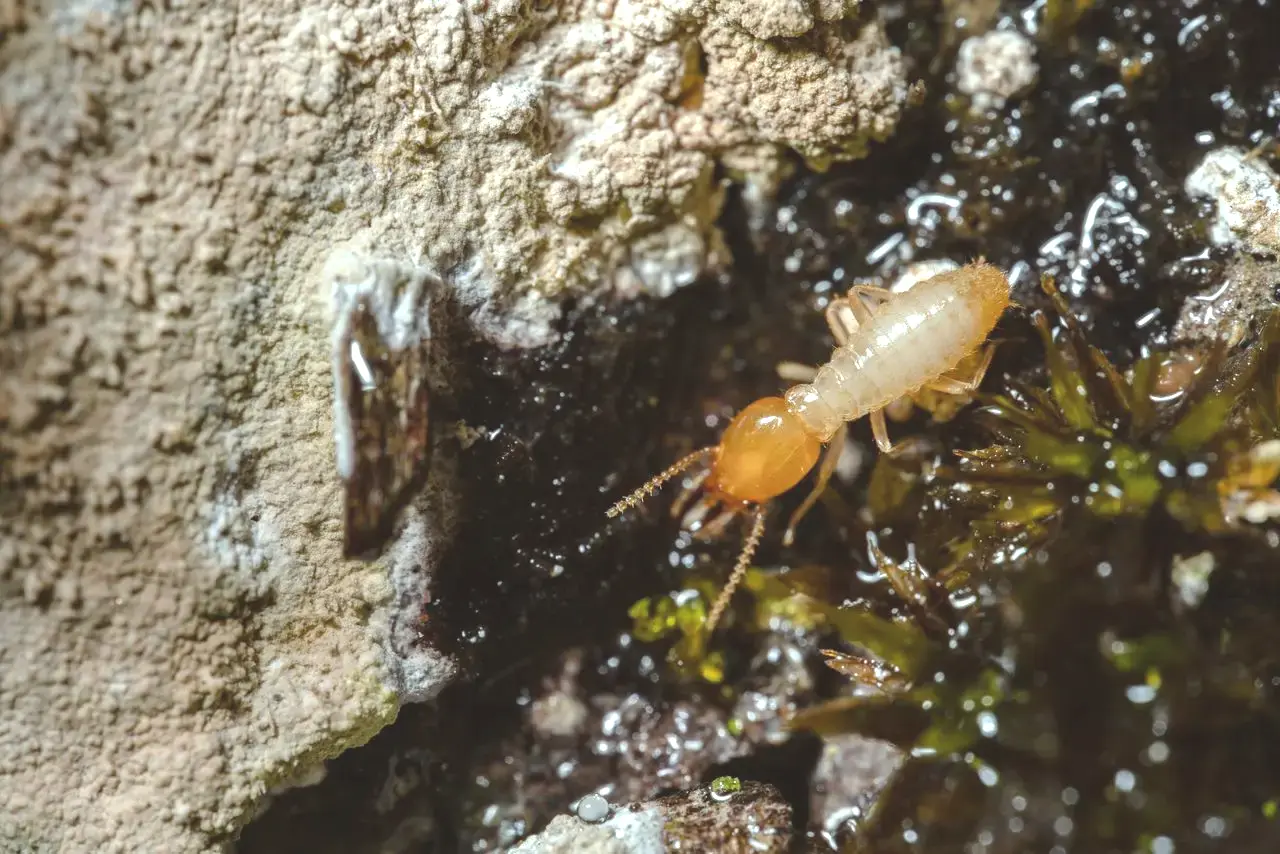
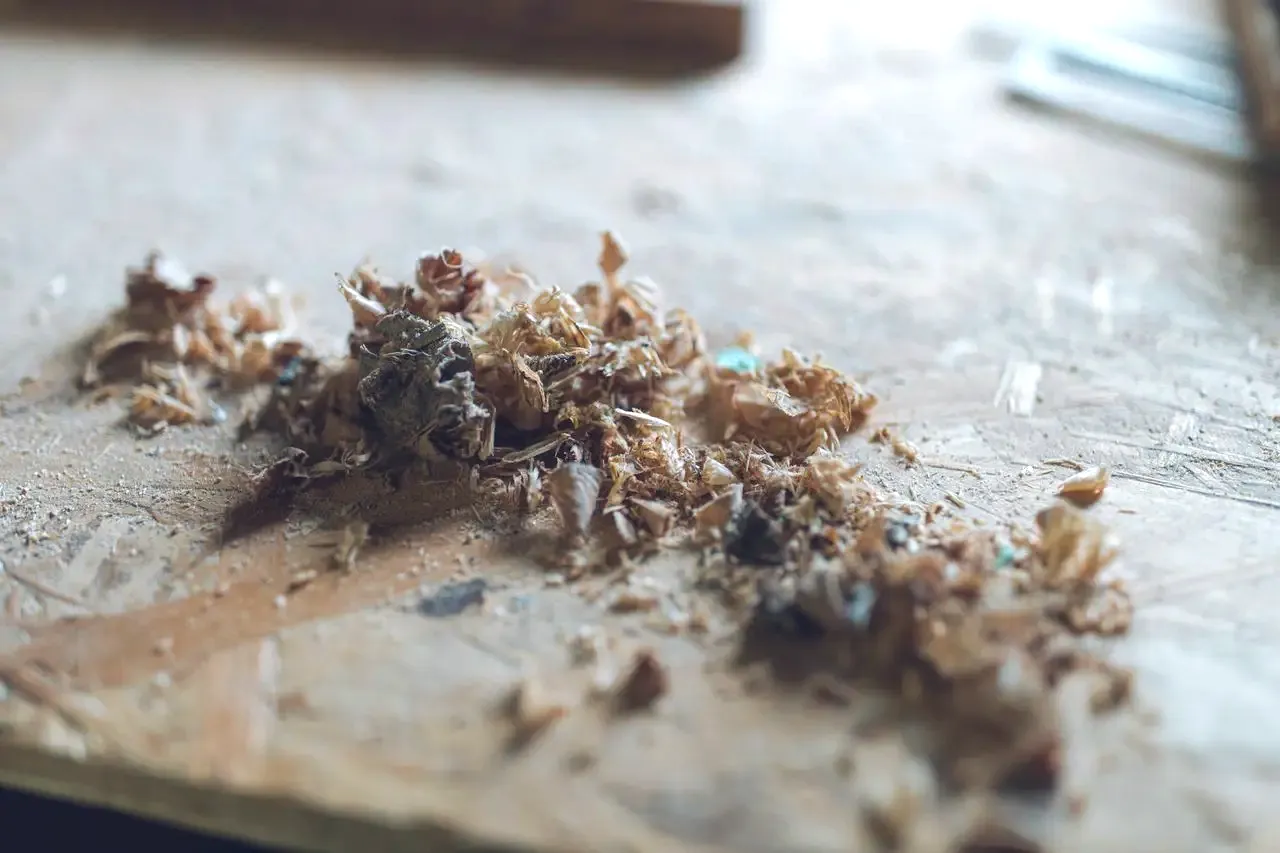
Drywood termite treatment in Palm Bay deals with a pest that never touches the ground. UF/IFAS explains that drywood termites make small colonies contained in a single piece of wood and need no soil contact, unlike subterranean termites. Signs tend to be small piles of hard pellets under a sill, a beam or a door frame, shed wings near windows, or wood that sounds hollow when tapped. One call reaches an independent local provider, who can inspect first and walk you through the localized options.
A single referral number for termite calls in Palm Bay.
The provider checks the home before naming a cost.
Calls reach providers that serve Palm Bay ZIPs.
Search the company in the FDACS AES portal.
Most drywood plans are shaped by what the inspection finds, so get the scope explained before any product goes on the wood. Most plans describe the affected wood, the localized treatment, the checks that follow and any return visit. Ask about warranty terms and what they include.
Because the colony sits inside the wood, the provider first works out which pieces are affected. Pellet piles, small openings, blistered paint and hollow-sounding wood all help mark where the activity is and how far it seems to reach.
A localized treatment is applied to the wood where the colony lives rather than to the whole house. The method depends on the wood, its location and how much is affected. Get the provider to name the method and explain the choice.
Door and window frames, trim, baseboards, attic framing and wooden furniture can all hold a colony. Providers often check the pieces next to an active spot as well, since a second colony nearby is easy to miss when the wood looks sound.
Once treatment is done, a provider commonly suggests sweeping up old pellets so any fresh ones stand out. Ask what record you get afterward, for example which wood was treated, what was used and which spots to keep watching.
Many providers book a later visit to look at the treated wood again and check for new pellets or wings. Ask when it happens, whether the cost covers it and what the plan is if new activity turns up.
Say what you found and where, and a provider near you explains what comes next.
Drywood termite treatment in Palm Bay means confirming which pieces of wood hold a colony and treating that wood directly, so the work reaches termites where they live. UF/IFAS notes that the West Indian drywood termite is exclusively associated with structures. A provider typically inspects, marks the affected wood, explains the localized options and checks the result later. Whole-structure tent fumigation is a separate job outside this site's scope, and it is never offered here.
Palm Bay's housing shapes how a drywood job is planned. Census figures show 20.3 percent of occupied homes are rented and 11.3 percent of housing units are in buildings with two or more units, so in duplexes and condos the affected wood may sit near a shared wall or in a shared attic. In those cases the owner, manager or association usually needs to be involved. In detached homes, frames, trim and attic wood are where providers often look first. Ask how they would reach the affected wood.
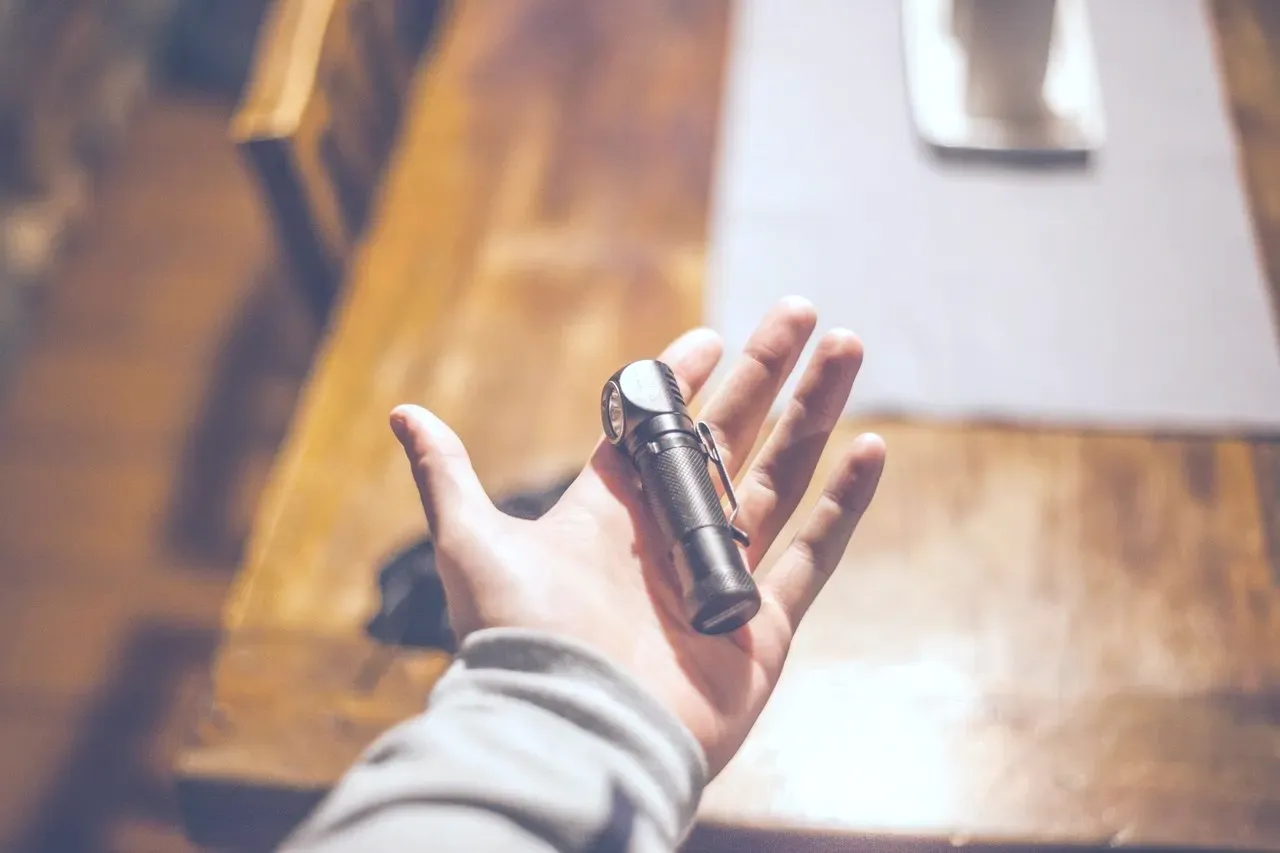
Most jobs begin with an inspection of frames, trim, baseboards, attic wood and furniture near any pellets or wings, along with the foundation and garage to rule out subterranean termites. Some providers use a moisture meter or other tools, so ask. No cost should be named until that inspection has fixed the scope.
Expect a short list from the provider: leave pellet piles where they are until the inspection, clear access to the affected frames, trim and attic hatch, and move stored items away from walls. The provider's own instructions always come first, so follow them and ask about anything unclear.
Workers usually mark each piece of wood with activity and note how far it seems to run. Nearby wood is checked so nothing is skipped. How long this takes depends on how many spots there are and how easy they are to reach, so ask about your home.
The provider applies the localized treatment to the marked wood, using the method they chose after the inspection. Ask what it is, how it reaches the colony inside the wood and how long to keep people and pets clear.
After treatment, providers often suggest clearing away old pellets so any new ones are easy to spot. Many book a return visit some weeks or months later to look for fresh signs. Find out what the next step is if fresh signs show up then.
A bright light and a probe help a provider find small openings, pellets and soft or hollow wood. Ask whether any wood will be probed and how marks are left.
Used to rule out damp wood, which points toward subterranean termites or decay rather than drywood termites, before a plan is chosen.
Small, hard pellets kicked out of the wood are a common drywood sign. A provider may look closely at a sample to confirm what made it.
Some providers bring extra detection tools to the inspection, and the choice is theirs. Ask which tools they rely on and what each one adds to a visual check.
Photos and marks on the affected wood show what was found and where, which helps at the return visit.
Some localized treatments are applied into the wood through small openings. Ask whether your job needs them and how they are closed afterward.
Ask for a written note of the wood treated and any warranty or re-treatment terms. That note makes the return visit easier to judge.
The treatment is aimed at the pieces of wood that hold the colony, since drywood termites live entirely inside them. Most of the visit builds toward this step. The provider chooses the method after the inspection and explains why it suits the wood involved.
Before calling a spot finished, providers often check the wood around it for more openings or pellets. Those areas may need treatment too. Ask the provider how they confirm the colony's reach before the visit ends.
Sweeping up old pellets after treatment makes it easy to see whether new ones appear. Noting the date and taking a photo of any fresh pile helps the provider judge whether the colony is still active at the return visit.
Whole-structure fumigation, known as tenting, is a separate job outside this site's scope. It is not offered or arranged through this line. Structural repair of damaged wood is not offered here either. Ask the provider to explain what they found if activity looks widespread.
A provider can inspect the sill, the frame and the wood around it, confirm whether drywood termites are active and explain the localized options. If you rent, the owner or manager will normally need to be involved. Report the signs to the landlord in writing, keep dates and photos, and leave the pellets in place until the provider has seen them.
The provider might treat the affected wood on your side and ask to check the other side as well. In condos, the association usually arranges access to shared areas. Ask how they will confirm the activity has not spread next door.
UF/IFAS puts West Indian drywood flights in May and June. Shed wings by a window can point to a colony in nearby wood, though flying ants swarm too. Save a few wings or take a photo, and ask a provider to check the frames, trim and attic close to where they appeared.
A provider can inspect the frame, treat the affected wood and check the trim and frames around it. Ask about timing that keeps staff, tenants or visitors away while the work runs. Usually a property manager sets up entry and tells the occupants what to expect.
Palm Bay's housing affects how a drywood job gets planned. Half the city's homes were built before 1993 and half after; 12.9 percent predate 1980 and 12.3 percent date from 2010 or later, so a drywood job may be in a 1970s house or a recent build. In rentals, which make up 20.3 percent of occupied homes, and in the 11.3 percent of units in buildings with two or more units, owners and managers often need to be part of the plan. UF/IFAS says that in Florida it is always termite season, since colonies keep chewing on wood all year, and it puts West Indian drywood flights in May and June. Drywood colonies need no soil contact, so a newer home is not ruled out. The provider who picks up works independently and decides when to inspect.
Port Malabar Country Club, ZIP 32905, in northeast Palm Bay. Ask the provider to check door and window frames, trim and attic wood.
Bridgewater in ZIP 32908. Clearing stored items away from walls and the attic hatch helps the provider reach the wood and check every frame.
In ZIP 32907, along with Tuscany Estates. Ask after the inspection which pieces of wood need treatment.
In the Palm Bay part of 32909, this covers Waterstone, Stonebriar and the Bayside Lakes area. Mention whether the home is detached or attached when you call.
UF/IFAS notes that in Florida it is always termite season, as colonies keep chewing on wood year-round. Drywood colonies sit inside the wood, so signs can turn up in any month.
Shared walls and attics can link one unit to the next. Providers may ask to check neighboring units, and the association or manager usually arranges access.
Attic framing, high trim and wood behind stored items take longer to check. Providers still look at those spots before they call the inspection finished.
UF/IFAS puts West Indian drywood flights in May and June. Wings found near windows then are worth saving in a sealed bag, or photographing, for the provider to look at.
A tenant finds small piles of pellets under two window sills in the same rental. The landlord has had the sills painted, yet new pellets appear a few weeks later. Because the unit is attached to another, the household next door may have activity too.
A provider would normally inspect first, map the affected frames and sills, treat that wood with a localized method and note the result. The return visit shows whether fresh pellets are still appearing.
Afterward: Old pellets swept up, the dates of any new ones noted, and a return check on whatever schedule the provider recommends for the home.
A family finds pellets below a door frame and shed wings on a sill. With a baby at home, the parents want to know exactly what will be applied and where. Signs show up in two rooms of the house.
A provider might confirm drywood termites, treat the affected frames and check the wood around them. Mention the baby on the call so the provider can say what will be used and how long to keep clear.
Afterward: Old pellets cleared away, both rooms watched for fresh piles, and a return inspection on the date the provider sets.
Pellets appear in two neighboring units of a four-unit rental within the same month. The owner thinks the activity is in trim the units share. Painting over the holes earlier did not stop new pellets.
Both units' affected wood may be treated on the same visit, with the remaining units looked over too. Ask how they confirm how far the colony reaches. The return inspection shows whether new pellets are likely to end.
Afterward: Pellet checks in every unit, a look at shared trim, and written terms the owner can share with tenants.
Drywood colonies stay hidden inside the wood, and the first sign is often a small pile of pellets. Common situations include the four below, with how treatment tends to fit.
When pellets reappear after the wood is painted or patched, the colony is usually still active inside it. Covering the openings hides the sign without reaching the termites. A localized treatment aimed at the affected wood, followed by a later check for fresh pellets, is the usual path. Ask the provider what your plan covers.
In condos, duplexes and townhomes, treating one unit may leave a colony in wood close to the next. Census figures put 11.3 percent of Palm Bay's housing units in buildings of two or more units, so the question is a real one. Providers often ask to check adjoining units and shared areas.
Sometimes hollow trim or a crumbling frame turns up while painting or replacing a fixture. Stop work in that spot and take photos. A provider can check whether the damage is from drywood termites and whether they are still active. Structural repair is outside this site's scope.
Asthma, allergies or a new baby make some families hesitant about any treatment, and waiting gives a colony more time to feed. A localized approach is limited to the affected wood, but products still vary by provider. Share any health concerns with the provider, who can explain the product and how long the room should stay empty.
Worked out by the provider once the home is inspected
This site lists no figures for drywood work. The provider decides the cost after seeing the home, and it mostly turns on how many pieces of wood are affected, where they are, how easy they are to reach and whether attached units are included. A single window frame is a different job from activity spread through trim and attic wood, so ask the provider to explain how yours is figured. Before you agree, ask what is covered, including return visits and any warranty or re-treatment terms.
Ask what the cost includes: the inspection, the treatment, the checks afterward and any return visit. Also ask whether warranty renewals cost extra, so the full total is clear.
One window frame is a shorter job than activity in several frames, trim runs and attic wood. Each affected area adds time to map, treat and check, so ask how many the provider found.
Wood behind cabinets, in a tight attic or under stored items is harder to reach. When access is limited, the job may take longer. Clearing the area beforehand and following the provider's list helps the day go smoothly.
In duplexes, townhomes and condos, activity near a shared wall may mean checking the unit next door. That widens the job, so ask the provider and the owner or association how it is decided.
A small, recent colony in one piece of trim takes less work than activity that has spread through several pieces. More spots add checking time. Warranty terms may also depend on the extent.
Condos on upper floors, gated communities and requests for early or late visits can add time. Ask the provider whether any of these changes the cost, so the day holds no surprises.
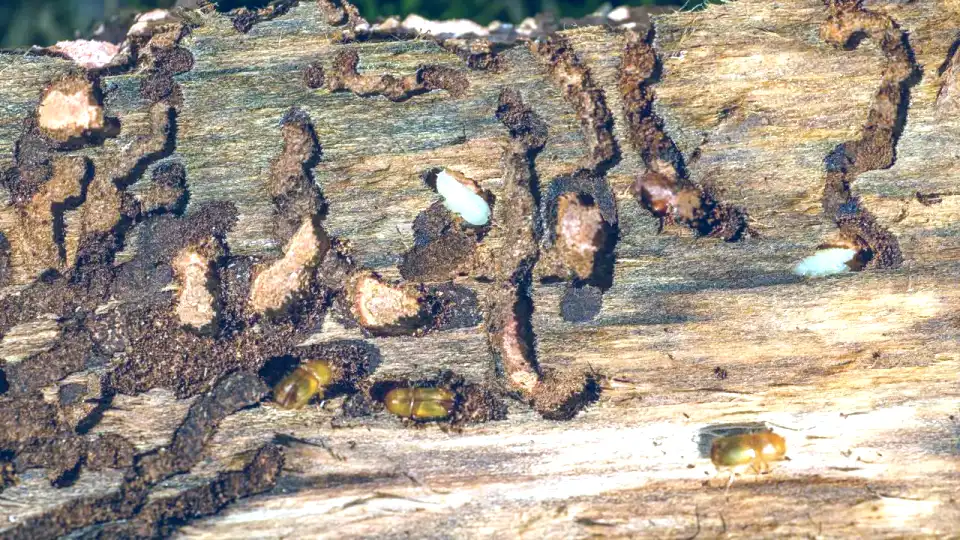
This referral line does not inspect or treat anything itself. Before work starts, you can look up a company or a person in the FDACS AES Licensing Portal; FDACS licenses pest control in Florida. UF/IFAS notes that Florida licensing has separate categories, including "Termites and wood-destroying organisms (WDO)", and a company needs a certified operator in each one it offers. Whole-structure tent fumigation is outside this site's scope. For a home in Port Malabar Country Club or Bridgewater, ask the provider how they would reach and treat the affected wood.
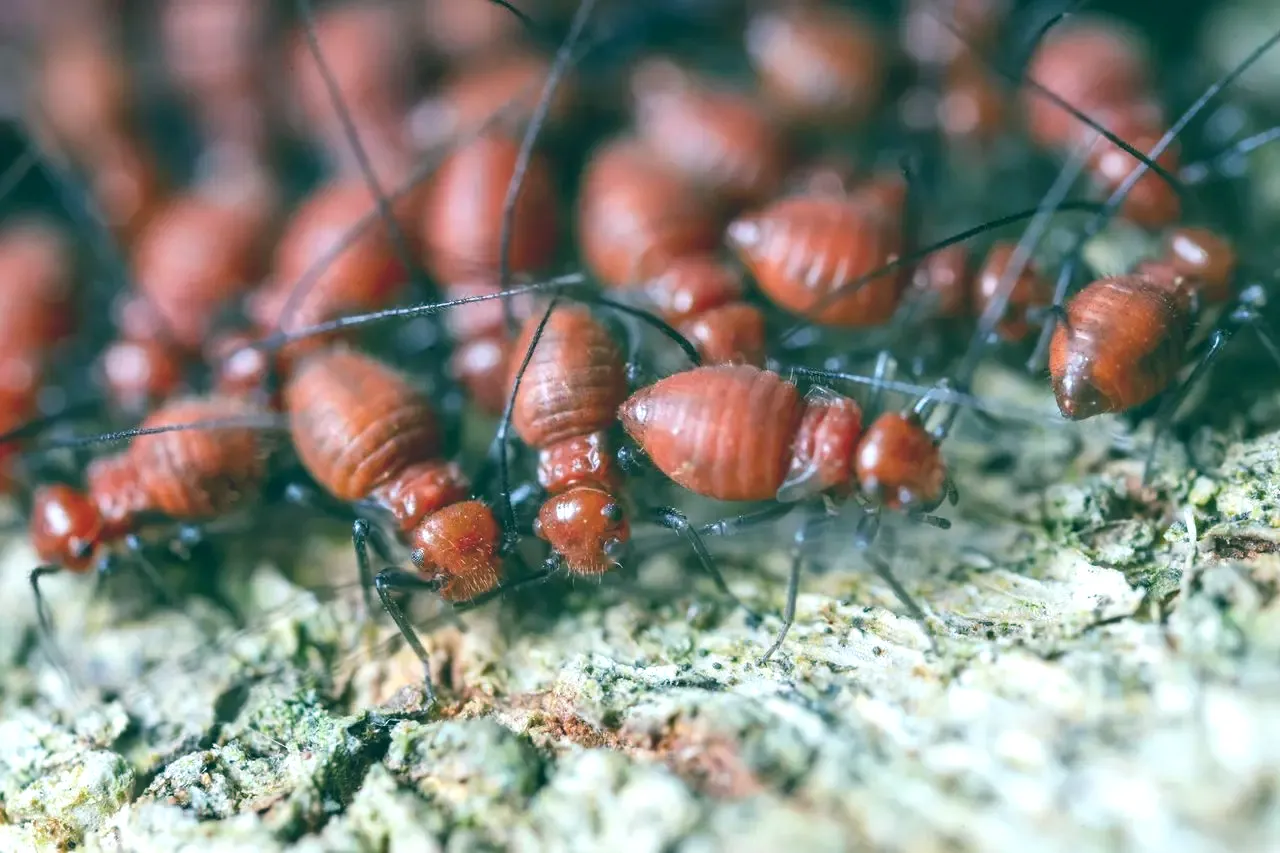
A homeowner finds pellets near a door frame weeks after painting over small holes and is unsure what comes next. A provider would usually inspect the frame and the wood around it, explain the scope and the cost, and describe the localized options. Expect a short prep list and a conversation about when to look again.
A landlord who owns a few rental homes hears about pellets from a tenant. The provider may propose treating the affected wood in one visit and checking any attached unit. Questions worth asking: how far the colony reaches, how that is confirmed and how tenants will hear what to expect.
A renter with asthma has found pellets by a window and wants as little product as possible. The provider can say whether a localized treatment suits the spot, what would be applied and when the room can be used again. Telling the landlord in writing comes first.
No. UF/IFAS explains that drywood termites make small colonies contained in a single piece of wood and need no soil contact, while subterranean termites live in large underground colonies with access to soil and moisture. That is why drywood signs show up in frames, trim, attics and furniture, and why the treatment targets the wood itself. Ask a provider to confirm which type you have.
That depends on how many pieces of wood are affected, where they are and how easy they are to reach. Many localized jobs fit in one visit, and wider activity takes longer. Mapping the affected wood comes first, with treatment and a later check after it. When booking, ask for an arrival window and a likely date for the return look.
No. Whole-structure fumigation, often called tenting, is a separate job outside this site's scope, and it is not offered or arranged through this line. Calls go to independent providers for inspection and localized options. If activity looks widespread, ask the provider to explain what they found and what they suggest.
This page lists no figures. After inspecting, the provider sets the cost based on how much wood is affected, where it is, how easy it is to reach and whether attached units are part of it. Ask what the cost covers, return visits and warranty terms included, so the total is clear up front.
Don't see your question? The referral line can put you through to a local provider for answers on timing and choices.
Ask a providerBefore any treatment, a provider generally checks the foundation, slab edges, frames, trim and attic for mud tubes, wings, pellets and damaged wood. Its findings decide how big the job is and what it costs.
View service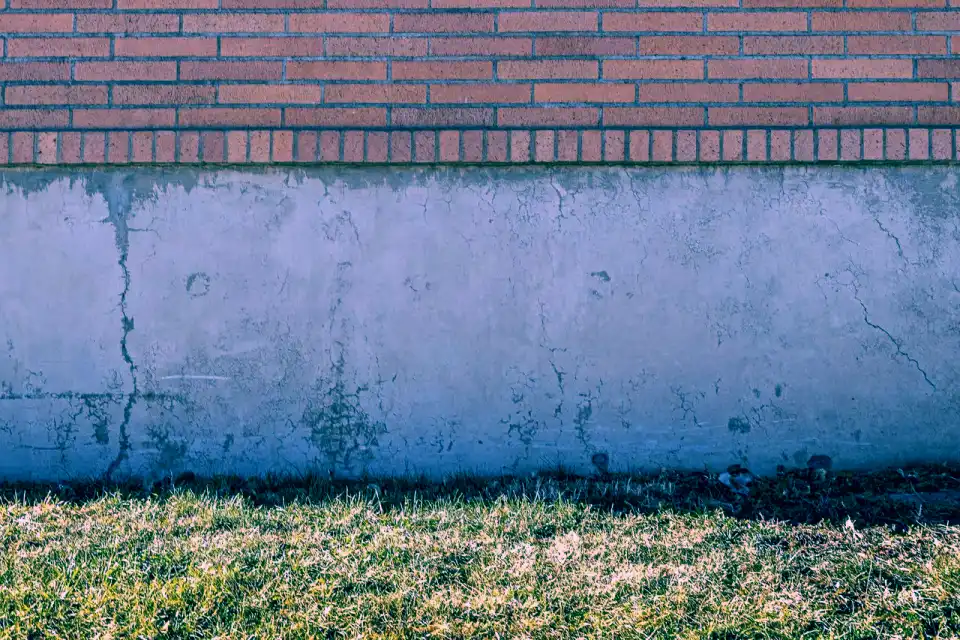
Subterranean termites build large underground colonies that need soil and moisture. Providers commonly discuss soil treatments or bait station systems. Ask which one suits the home and the soil around it.
View service
Rental homes, condos and duplexes in Palm Bay need coordinated work. Tenants report signs to the owner or manager, who usually arranges access, and attached units or shared areas may need checking too. Dated photos make each report clearer.
View service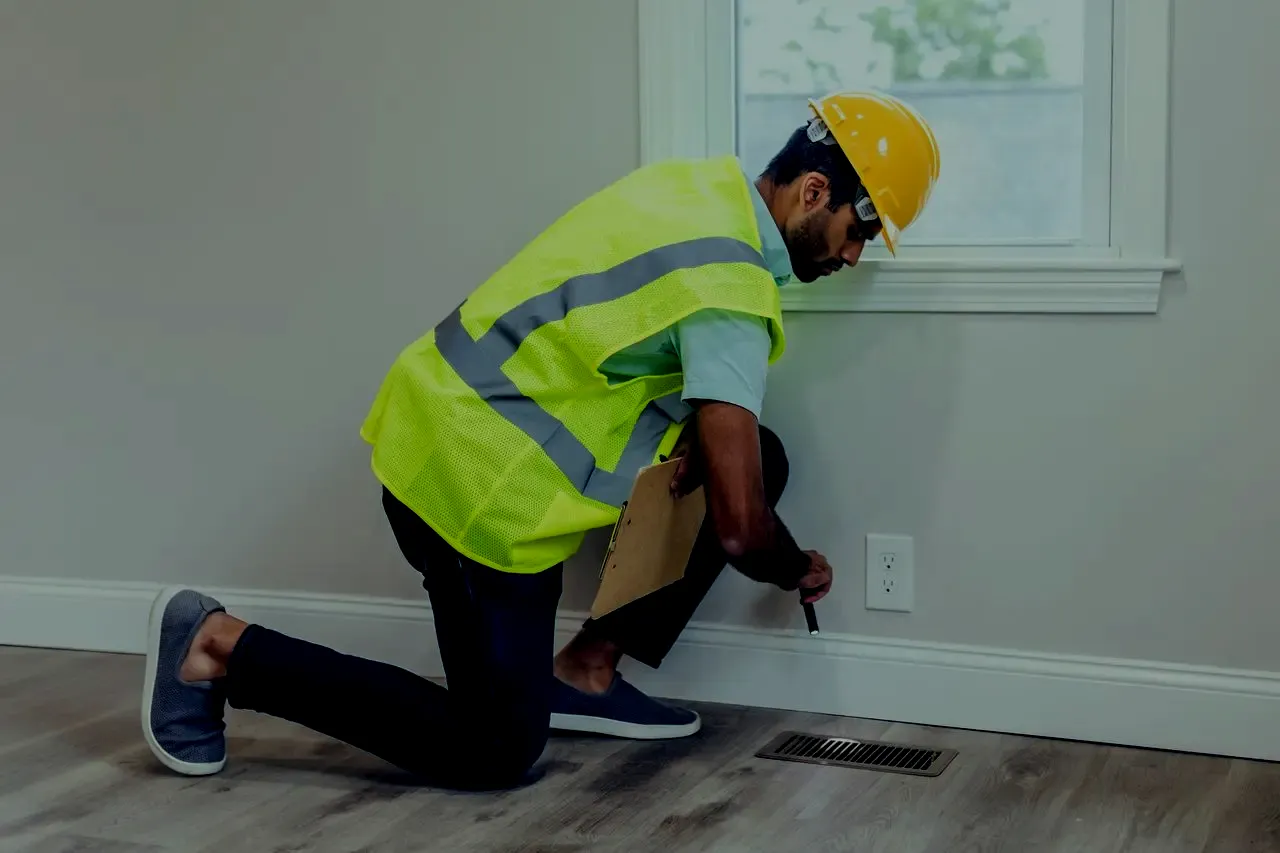
Warranties and re-treatment terms vary by provider. Ask what is covered, how long it lasts, how renewals work and how often the home is checked. The provider sets the terms.
View serviceDial the number shown here and a call-tracking service, which may record the conversation, hands you to an independent provider that covers Palm Bay. Calls are connected 7 a.m. to 1 a.m. Eastern Time (8 a.m. to 2 a.m. during daylight saving time). Inspection timing and cost are settled with that provider.