One line to call
A single referral number for termite calls in Palm Bay.

Rental property termite treatment in Palm Bay goes more smoothly when owners, tenants and managers know who reports what, since termites under a shared slab rarely stop at a lease line. Renters, owners and property managers anywhere in Palm Bay, FL can use this line to reach independent local providers handling rented houses, duplexes, condos and bigger buildings. In Palm Bay, 20.3 percent of occupied homes are rented, so a termite problem can involve more than one party.
A single referral number for termite calls in Palm Bay.
The provider checks the home before naming a cost.
Calls reach providers that serve Palm Bay ZIPs.
Search the company in the FDACS AES portal.
Rental termite work usually runs in three stages: inspect, treat, then keep checking. Each provider decides what the quote covers and what is billed separately, so the owner or manager should ask before agreeing. Below is what rental termite work in Palm Bay often involves.
A provider usually inspects the reported home and, in attached buildings, the units sharing its slab, checking foundation walls, slab edges, garages, door frames and baseboards. Some carry moisture meters; ask which tools are used.
The method follows from the findings. Subterranean termites are often handled with a liquid soil treatment or a bait system. Drywood termites in a single piece of wood call for different options. Ask why the provider suggests each.
Bait stations set in the soil around a rental need to be checked on a schedule, which means someone has to arrange access to the yard. Ask how often the provider visits, whether tenants are told ahead, and whether checks are part of the job or extra.
Between scheduled checks, and while a unit stands empty between leases, dated notes and photos of any wings or new tubes show the provider where to start. Ask what the plan includes between visits and what calls for an extra one.
Each home or unit on the job should get its own written inspection and treatment record. Dated paperwork helps owners and tenants follow the work. The provider sets any warranty or re-treatment terms; get a copy before treatment starts.
Say what you found and where, and a provider near you explains what comes next.
Rental property termite treatment in Palm Bay means termite work planned around the people who live in and own a home: finding, treating and then watching for termites in rented houses, duplexes, condos and multi-unit buildings, including slab edges, garages, door frames and the soil around the foundation. The provider you are connected with typically begins by inspecting the reported home and any units that share its slab, then explains a soil treatment, a bait system or another option based on the termite found and how far it has spread. Later inspections show whether activity has stopped. Check the company in the FDACS AES Licensing Portal first.
Census figures put 11.3 percent of Palm Bay's housing units in two-plus-unit buildings, and 8.1 percent in buildings of five or more. Where a slab or foundation is shared, subterranean termites can reach more than one unit from the same soil. A common situation: one resident notices wings by a window or a mud tube on a wall, and a neighbor reports the same weeks later. Telling the owner or manager early and getting an inspection keeps one unit's problem from becoming a job for the whole building.
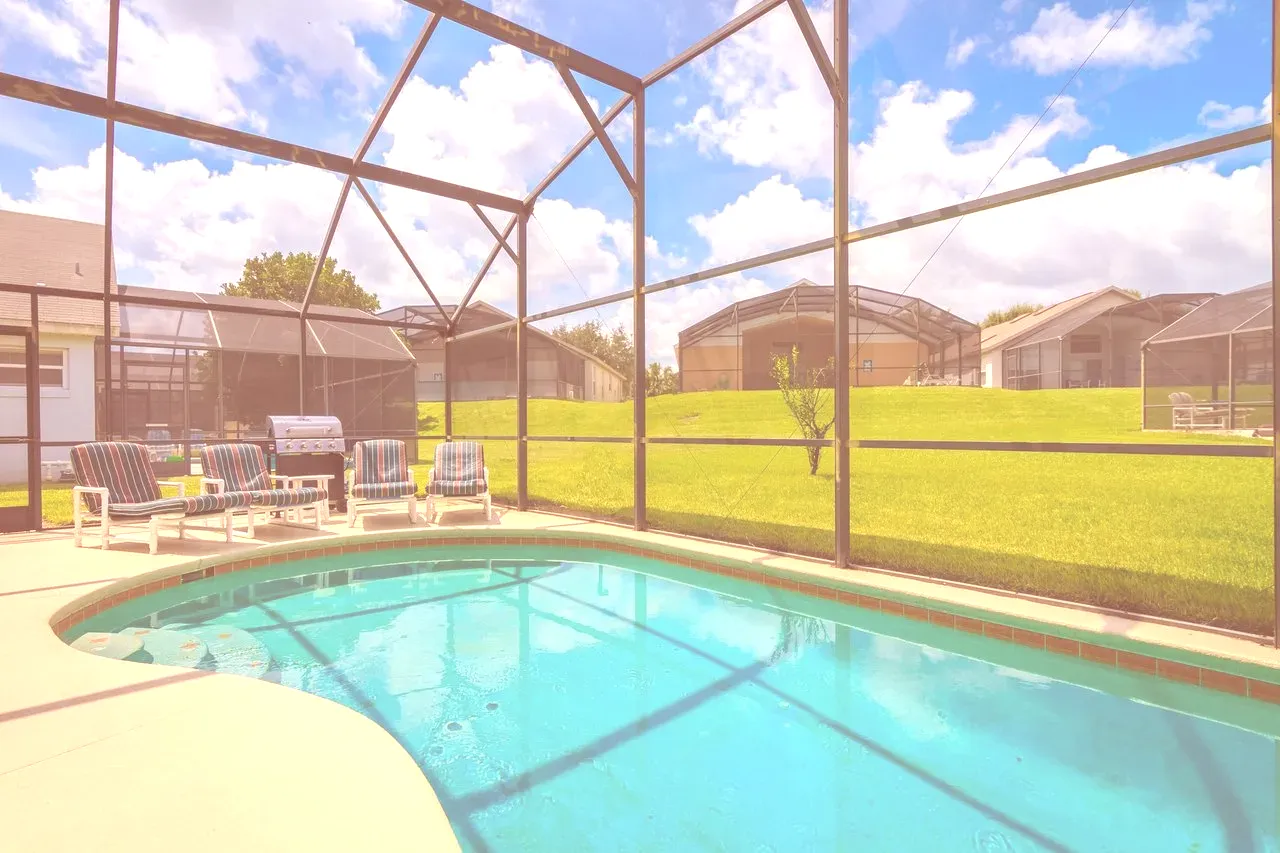
A provider who works locally takes your call. Have the address or ZIP handy, plus what was seen and where, whether the home is a house, duplex or condo, and whether you own, manage or rent it. The provider uses those details to plan the inspection, decides who needs to give access and sets the appointment.
Starting with the home where signs were reported, the provider works along foundation walls, slab edges, the garage, door frames and baseboards, then moves to any unit that shares the slab. Moisture meters or probes may be used. Dated photos of wings or mud tubes from the tenant help, and the number of units decides how long the visit runs.
The quote is worked out by home size, method and the number of units, and the owner or manager can ask to see it in writing before anything begins. A soil treatment and a bait installation take different amounts of time, and bait needs later service visits. When the home is rented, approval of the plan normally rests with the owner or manager.
Tenants move stored items away from walls and keep pets inside, as the provider's notice directs. Typical work includes a liquid soil treatment along the foundation, sometimes through small holes drilled in a slab or patio, or installing bait stations in the soil around the home. Ask how long to keep clear of treated soil afterward.
Later visits re-inspect the home or service the bait stations. New tubes or wings at that point fall under whatever re-treatment terms the provider set. When a check shows no activity, a short dated note saying so belongs in the property file.
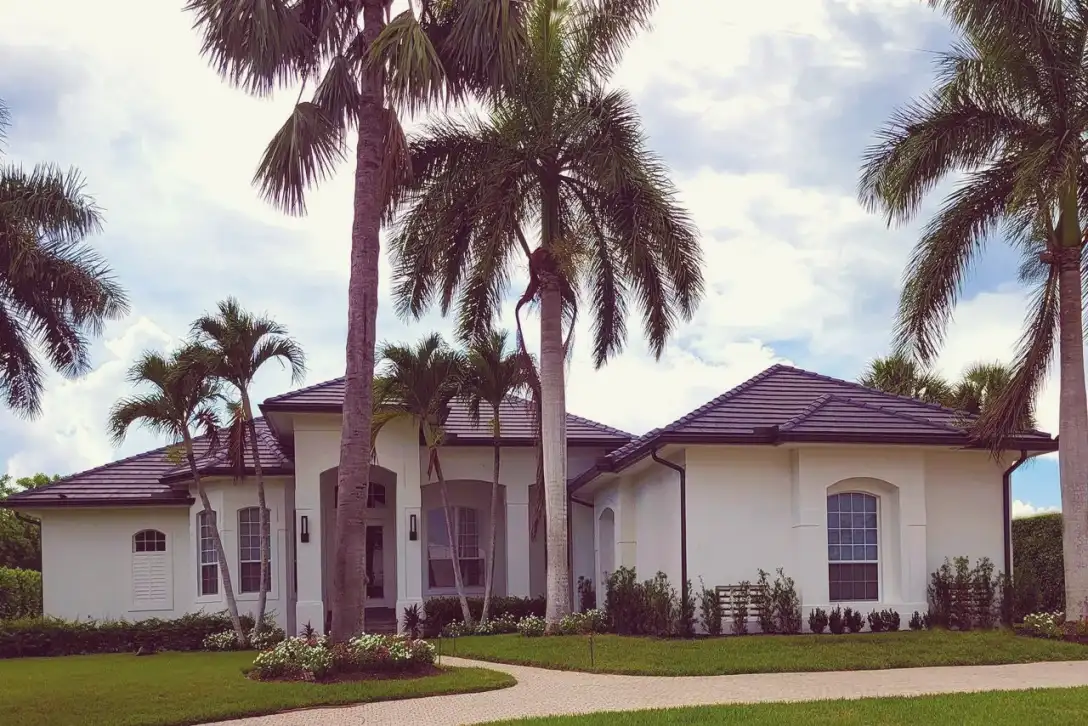
Certain providers carry moisture meters to find damp areas inside walls where termites may be feeding. Ask whether one is used and how each reading is checked by eye.
Tapping and probing wood shows soft or hollow spots behind paint and trim. Providers use what they find to decide where termites are active before any area is treated.
Rods, pumps and trenching tools put liquid into the soil along the foundation. Some slabs and patios need small drilled holes; ask the provider how they are closed.
Bait stations go into the soil around the home and are checked on a schedule. When termites are found feeding, bait is added, and the colony shares it. Ask how often stations are serviced.
Opening a mud tube shows whether termites still use it. Providers often mark old tubes so a new one stands out on the next visit, then compare what they find.
Ask the provider what will be applied near the home, play areas, gardens and any well, and how long tenants and pets should keep clear. Check the company in the FDACS AES Licensing Portal.
Between visits, tenants can note any wings or new tubes with the date and a photo. Pass those notes to the owner or manager in writing.
The provider applies a liquid treatment to the soil along the foundation to create a zone termites coming up from the ground have to cross. Patios and slabs may need drilling. Ask how long tenants and pets should keep clear of treated soil.
Bait stations are set in the soil around the home and checked on a schedule. When termites start feeding, bait is added, and they carry it back to the colony. This approach needs ongoing access to the yard, so the owner or manager should agree on visit dates with tenants. Ask how often stations are checked and who records the results.
Drywood termites live in small colonies inside a single piece of wood and need no soil contact. Providers discuss localized options for trim, frames or furniture. Whole-structure fumigation, or tenting, is outside this site's scope and is not offered here.
Wet soil by the slab, leaking hose bibs and wood that touches the ground make it easier for termites to reach a rental. The provider can point out the problem spots so the owner or manager can arrange fixes, and tenants know what to keep clear of walls.
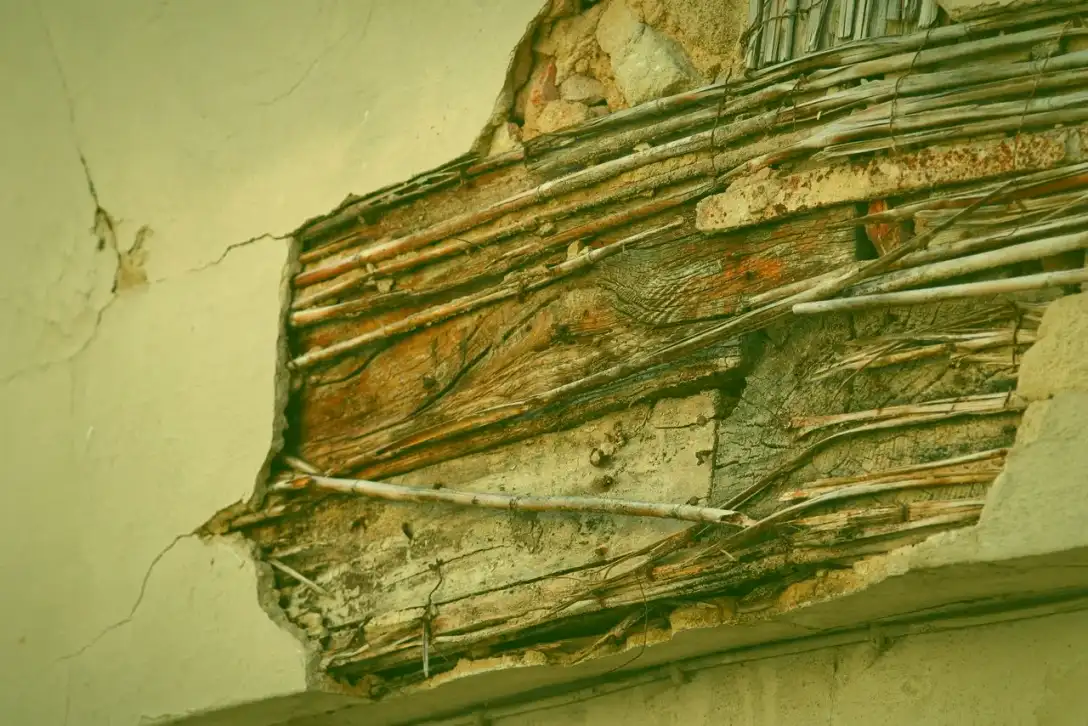
The tenant should tell the owner or property manager in writing and attach dated photos. The owner or manager arranges access for an inspection. A provider usually checks the home and, in an attached building, the units sharing the slab. If termites are confirmed, the provider explains the options, the notice for tenants and the inspection schedule. Ask the owner or manager how the timing will work.
Vacant units are a chance to see walls, closets and the garage without furniture in the way, which makes the inspection easier. Many providers also look at attached units in case activity runs under a shared slab. If treatment is needed, ask about re-treatment terms and file the written records before the new lease begins.
Reports from more than one unit usually mean the whole building needs a look, with every unit on the shared slab inspected and the affected area treated together. Providers commonly combine soil treatment and bait, then schedule later inspections. Ask for one quote covering the building and a separate record for each unit.
Begin with an inspection to see whether termites are still active, then ask about treatment and any warranty the previous owner had. Fixing damaged wood is a separate job and not offered through this line. Before hiring anyone, look up the company in the FDACS AES Licensing Portal and confirm its WDO category.
Palm Bay has 130,132 residents and 50,147 housing units. Of occupied homes, 20.3 percent are rented; of all units, 11.3 percent are in two-plus-unit buildings, 8.1 percent in five-plus buildings and 3.2 percent are mobile homes. The median year built is 1993, and 12.9 percent of units are older than 1980. In attached buildings a shared slab can let subterranean termites reach more than one unit, so providers usually check neighboring units. Tenants report signs to the owner or property manager, and the owner or manager arranges access. FDACS licenses pest control in Florida, and termite work falls in the termites and WDO category; check the company in the FDACS AES Licensing Portal. No City of Palm Bay permit for termite treatment was found. This site does not give legal advice and does not say who pays for any treatment.
Port Malabar Country Club, ZIP 32905, platted as Country Club Units 1-10. Whether you rent or own here, mention any slab additions and whether the home is attached.
Bridgewater, ZIP 32908, a platted subdivision. For a rented house, the provider usually starts at the foundation and garage and checks for mud tubes.
Lockmar Acres, Holiday Park and Tuscany Estates in ZIP 32907. Renters and owners here can call the same line; mention the home type and whether a slab is shared.
Both sit in the Palm Bay part of 32909, the same ZIP as Players Club and Fairway Isles. Tell the provider the subdivision name and whether the home is a house or attached unit.
Subterranean termites can reach the next unit from the same soil without ever showing in the first. Providers commonly check attached units along the slab.
Rentals make up 20.3 percent of Palm Bay's occupied homes. A home standing empty between leases is a good time to check walls and garages.
UF/IFAS says that in Florida it is always termite season, since colonies feed year-round. Signs can turn up in any month, so tenants should report them when they appear.
Wood in shared sheds, fences and landscaping beds can bring termites close to buildings. They belong in the inspection for the whole property.
A few units report mud tubes and wings, and the owner has already sprayed a store product into the tubes twice. The signs keep coming, and weeks later a second tenant reports them.
A provider usually inspects all units on the shared slab, treats the soil or sets bait where termites are active, and books later checks. Spraying tubes does not reach the colony.
Afterward: Tenants report new wings or tubes in writing, and the owner keeps dated records of every visit and calls the provider if termites show up again.
A tenant finds mud tubes running up the garage wall of a duplex. The other half shows no signs so far, but both sides sit on the same slab and soil.
Both halves usually get inspected, and the soil under each may be treated depending on the findings. Each household follows the provider's notice, and later checks confirm whether termites are gone.
Afterward: Bait stations around the building and scheduled inspections make new activity easier to catch. The owner asks tenants to keep stored items and mulch away from the walls.
Termite signs keep showing up in the same row of units. Past treatments handled one unit at a time, and new reports come in every spring swarm season.
Inspecting the full row can turn up termites in units with no reports. The provider may treat the whole row at once and set bait stations around the building, then compare findings at each later check before treating the row as clear.
Afterward: The manager books inspections on a set schedule and before the spring swarm months. Vacant units are looked over between leases.
Termites rarely stay inside one unit's walls. They can travel under shared slabs, through garages and along fences. Common situations include the four below, with how providers usually respond.
Treating the unit that called while its neighbor on the same slab is left alone can let the colony keep feeding next door, and the reports come back. Providers commonly inspect attached units on the first visit and treat soil along the whole shared foundation or place bait around the building, so the work targets the colony instead of one wall at a time.
Store-bought sprays kill the termites they touch, but the colony in the soil keeps going and tubes are rebuilt. Tenants should report signs rather than treat them. Ask the provider whether soil treatment, bait or both fits the building, and what will be applied near the home. Providers typically treat, set a monitoring schedule and come back to check.
One unit or yard left out can leave a path for termites to reach the rest of a building. Notices go out, and entry times are set with the owner or manager. Both sides do well to keep a dated log of every notice and every attempt at entry. Tenants report signs; the owner or manager arranges access. This site takes no position on who owes what.
A shared shed or fence can bring termites up to units that had none, and a small problem grows into a building-wide one. Providers often check garages, sheds, fences and stored wood on the grounds and treat activity there. Work on common grounds is normally arranged by whoever maintains them, such as an owner, manager or association.
Each provider sets it once the home is inspected
No figures appear here: the cost of rental property termite treatment in Palm Bay comes from the provider, normally once the home has been inspected. The method, the size of the home, the number of units on a shared slab and how far termites have spread all shape the total. A building with several units on one slab is usually quoted as one job, with the units inspected and treated on the same visit. Have the quote written out first, showing the inspections and re-treatment terms it carries.
When you compare quotes, check what each one includes: attached-unit inspections, the method, bait service, later inspections and re-treatment terms. A smaller figure that covers only one unit can cost more if termites return.
A single house and a ten-unit building get very different quotes. Doing several units on one slab in a single visit can change what each unit costs. After the inspection, ask for one figure covering the building.
A soil treatment and a bait system differ in equipment, time and the number of later visits, which shows up in the cost. Bait systems need ongoing service, and some homes get both methods, so ask the provider to break down each line of the quote.
A few tubes in one garage take less work than activity spread through several units and walls. Heavy cases can need extra visits or both methods, which changes the total.
Buildings with shared slabs, patios and additions may take longer, since soil under them may need drilling. Stored items against walls and building size also affect each visit.
Ask whether later inspections or bait service are part of the cost and how many there will be. Any re-treatment terms are the provider's; keep a written copy.
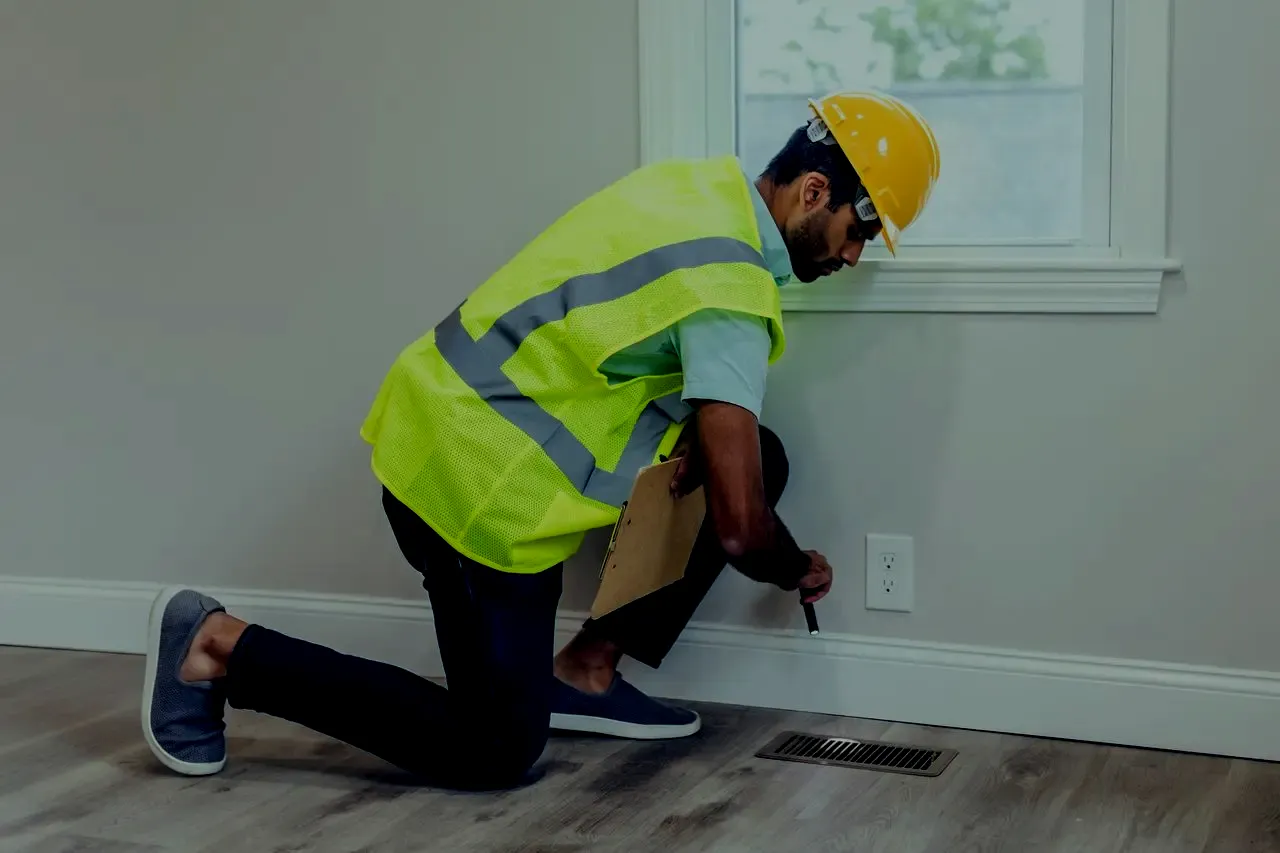
FDACS, the Florida Department of Agriculture and Consumer Services, licenses pest control in Florida, and a UF/IFAS guide notes that licensing has separate categories, including "Termites and wood-destroying organisms (WDO)", with a certified operator required in each category a company offers. Look the company up in the FDACS AES Licensing Portal. No City of Palm Bay permit for termite treatment was found. For rentals, tenants report signs to the owner or property manager, who arranges access. This site draws no legal conclusions about owners, tenants or associations and does not say who pays.
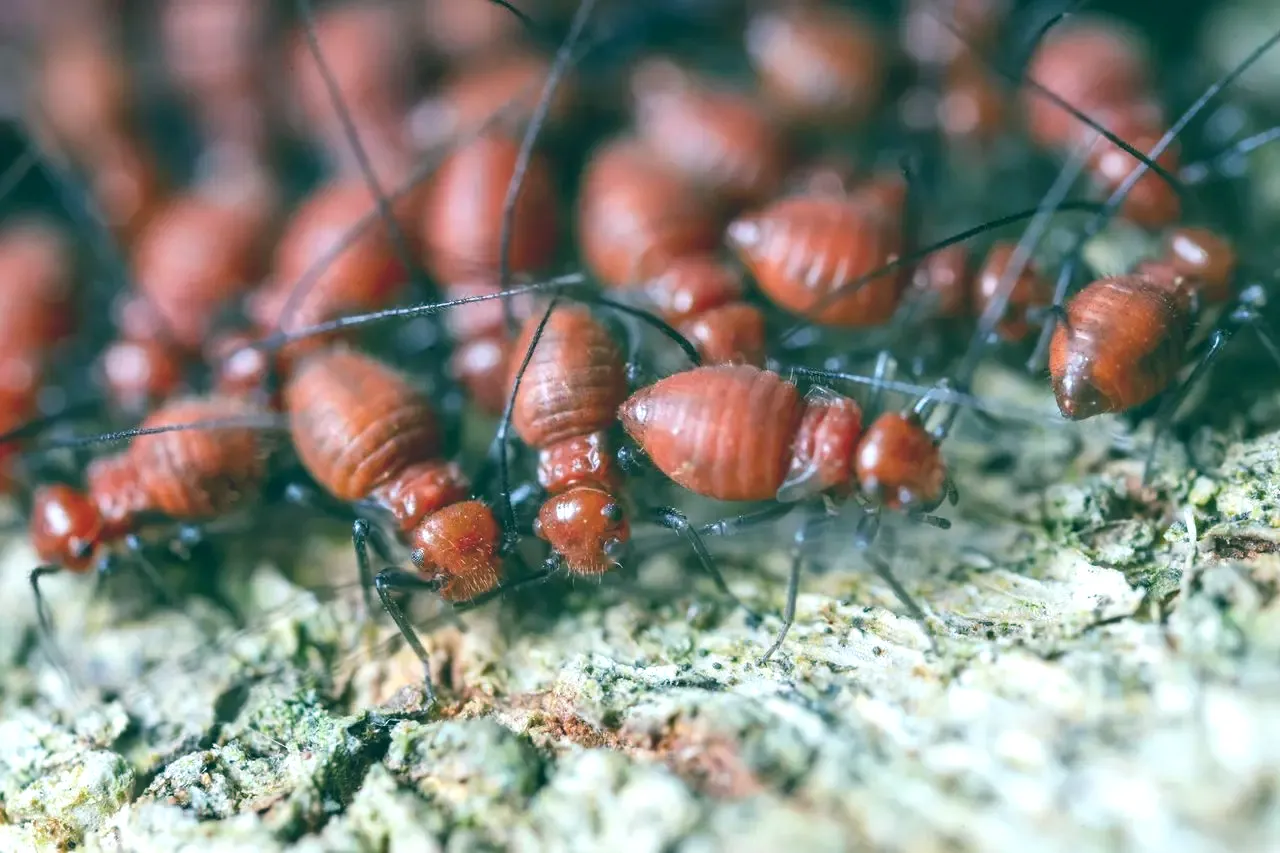
A landlord with a few rental homes hears from two tenants about wings and mud tubes. A provider usually inspects each reported home, treats where activity is confirmed and sets later inspections. Asking for a separate report per address and filing every tenant notice keeps the paper trail tidy.
A homeowner about to rent out the house for the first time wonders whether a termite inspection before the lease makes sense. A provider can check the foundation, garage and frames and put the findings in writing. The owner keeps that record with the lease papers and asks how tenants should report any signs later.
A renter keeps hearing from neighbors about wings by their windows and wonders whether the house is next. An inspection can confirm or rule out activity before anyone guesses. In writing, the renter tells the owner or manager what was seen, then asks when inspections happen and which records will follow.
That is a question about the lease and the law, and this site answers neither, nor does it say who pays. In practice, a tenant reports termite signs to the owner or property manager in writing, and the owner or manager arranges access and the inspection. Each lease and situation differs, so keep a copy of every report. Where an association runs the common grounds, its board or manager is the contact.
A provider usually inspects the reported unit and the units sharing its slab, then treats with a liquid soil treatment along the foundation, a bait system around the building, or both. UF/IFAS notes subterranean termites build large underground colonies with access to soil and moisture, so the whole shared foundation matters. Later inspections usually come next.
Sometimes. A provider will usually want to look at every unit on the same slab before deciding, because subterranean termites below one unit can be feeding under the next. When the inspection shows activity limited to that single unit, treating it alone may be reasonable. When attached units show signs too, expect a suggestion to widen the plan.
Method, home size and the number of units all change the timeline. A soil treatment needs time to trench or drill along the foundation, while bait stations are installed in one visit and then serviced over months. A full building can take more than one day. Ask the provider how long tenants should keep clear and when later inspections are planned.
Don't see your question? The referral line can put you through to a local provider for answers on timing and choices.
Ask a provider
Rental termite work begins with an inspection. A provider usually checks foundation walls, slab edges, garages, door frames and baseboards in each unit and looks for wings and mud tubes. For a sale, ask whether the provider issues the FDACS WDO report. Ask for a written report.
View service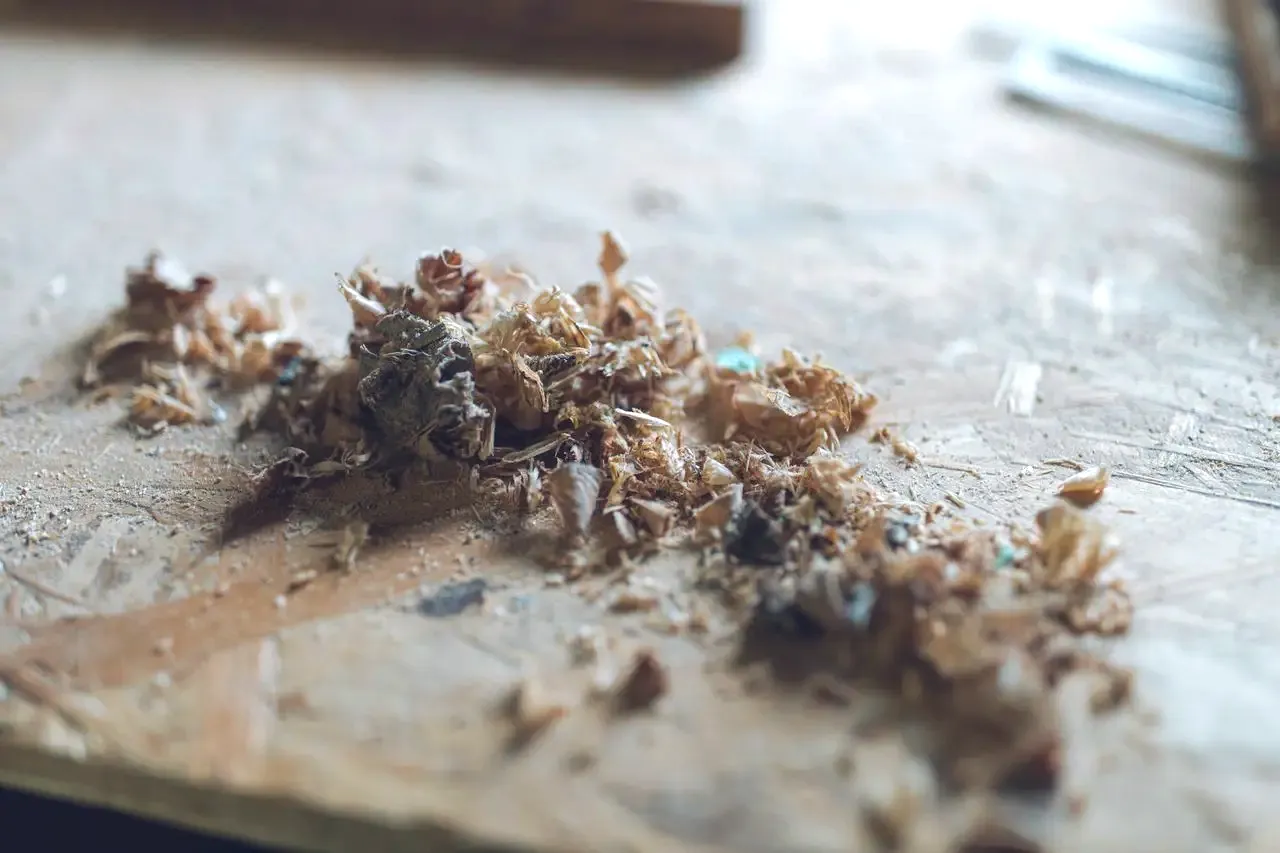
Drywood termites live in small colonies inside a single piece of wood and need no contact with the soil. In Florida, West Indian drywood termites fly mainly in May and June. Providers discuss localized options; tenting is outside this site's scope and is not offered.
View service
Subterranean termites, native Reticulitermes species and the Formosan subterranean termite among them in Florida, build large underground colonies with soil and moisture. Providers commonly use a liquid soil treatment along the foundation, a bait system or both. Ask what will be applied near the home.
View serviceMany termite plans include warranties or renewal terms set by the provider. Ask what is covered, how long it lasts, what renewal costs and how often the home is inspected. Later visits show whether activity has ended or termites found a new way in.
View serviceDial the number shown here and a call-tracking service, which may record the conversation, hands you to an independent provider that covers Palm Bay. Calls are connected 7 a.m. to 1 a.m. Eastern Time (8 a.m. to 2 a.m. during daylight saving time). Inspection timing and cost are settled with that provider.