One line to call
A single referral number for termite calls in Palm Bay.
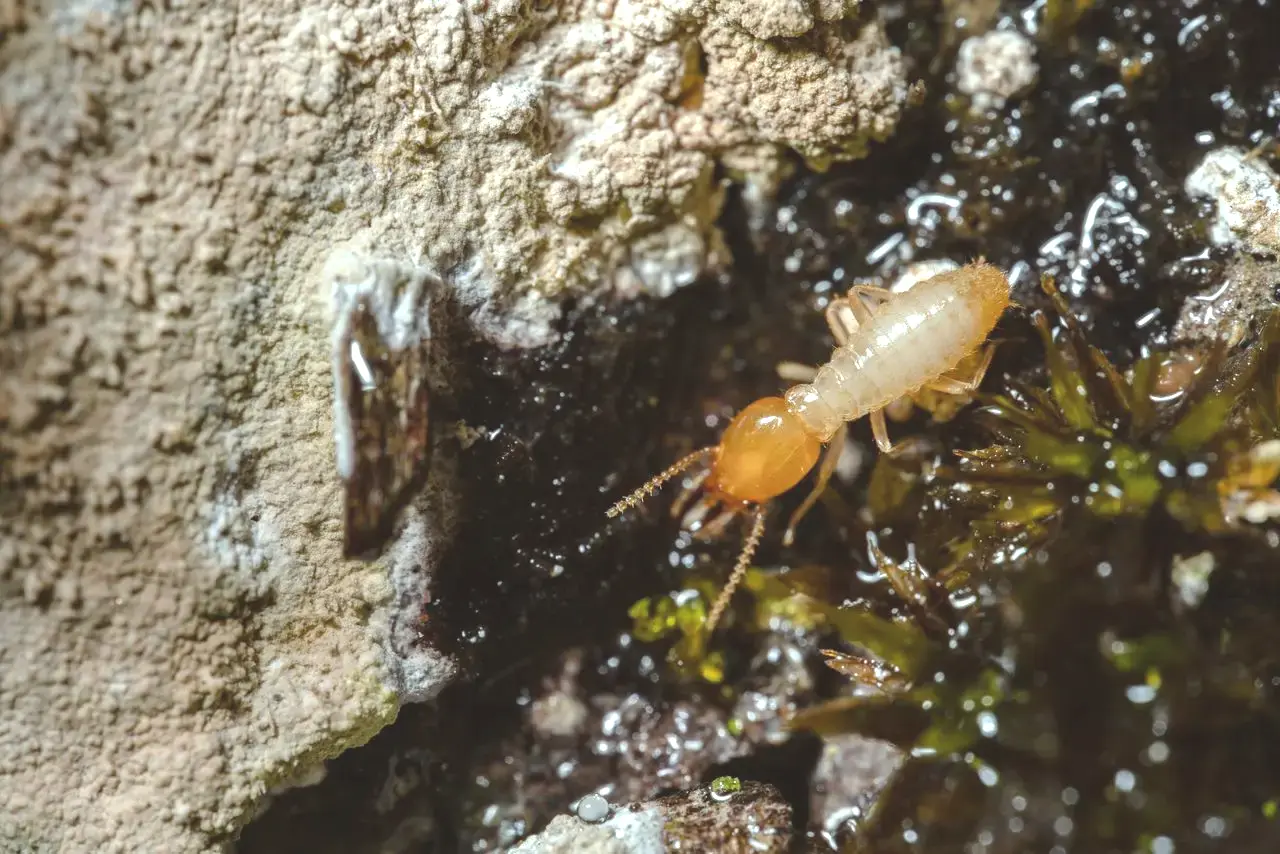
A termite inspection in Palm Bay is how you learn whether termites are really at work before anyone plans a treatment. A provider usually checks the foundation and slab edges or crawl space, the garage, the attic, door and window frames and any spot where wood meets soil, then explains what turned up. If no active termites turn up, you skip the expense of treating a house that does not need it. If termites are present, the inspection shows which kind and where, so the plan fits the house instead of a guess.
A single referral number for termite calls in Palm Bay.
The provider checks the home before naming a cost.
Calls reach providers that serve Palm Bay ZIPs.
Search the company in the FDACS AES portal.
Most inspections cover the outside walls and foundation, the garage, the attic and any wood that can be reached, plus notes or photos of what turned up and a talk about next steps. Treatment is a separate decision. Each part is covered below.
Most providers start low, walking the outside of the home and looking along the foundation and slab edges for mud tubes, the narrow earthen tunnels subterranean termites build. Wood touching soil, mulch piled against siding and dripping spigots get a look too, because these colonies need soil and moisture.
Inside, a provider usually checks garage walls, door and window frames, baseboards and the attic, tapping wood that may sound hollow and looking closely at anything blistered. Drywood termites live inside the wood itself, so point out any small piles of pellets under a sill or beam.
The provider is looking for live termites, mud tubes, shed wings near windows and doors, hollow or blistered wood and the tiny pellets drywood termites push out. Flying ants are often mistaken for swarmers, so the provider wants real evidence before calling it termites.
Ask for the results in writing: the date, the areas checked, any areas that could not be reached, where evidence turned up and what kind it was, with photos where possible. A written record helps when you talk to a landlord or a second provider. Spoken results fade once the visit ends.
Ask for a walk-through of the findings before the provider heads off. If no activity turned up, ask which conditions to watch, such as damp wood or wood touching soil. If termites were found, ask which kind, which treatments fit and how the cost is worked out before you agree to anything.
Say what you found and where, and a provider near you explains what comes next.
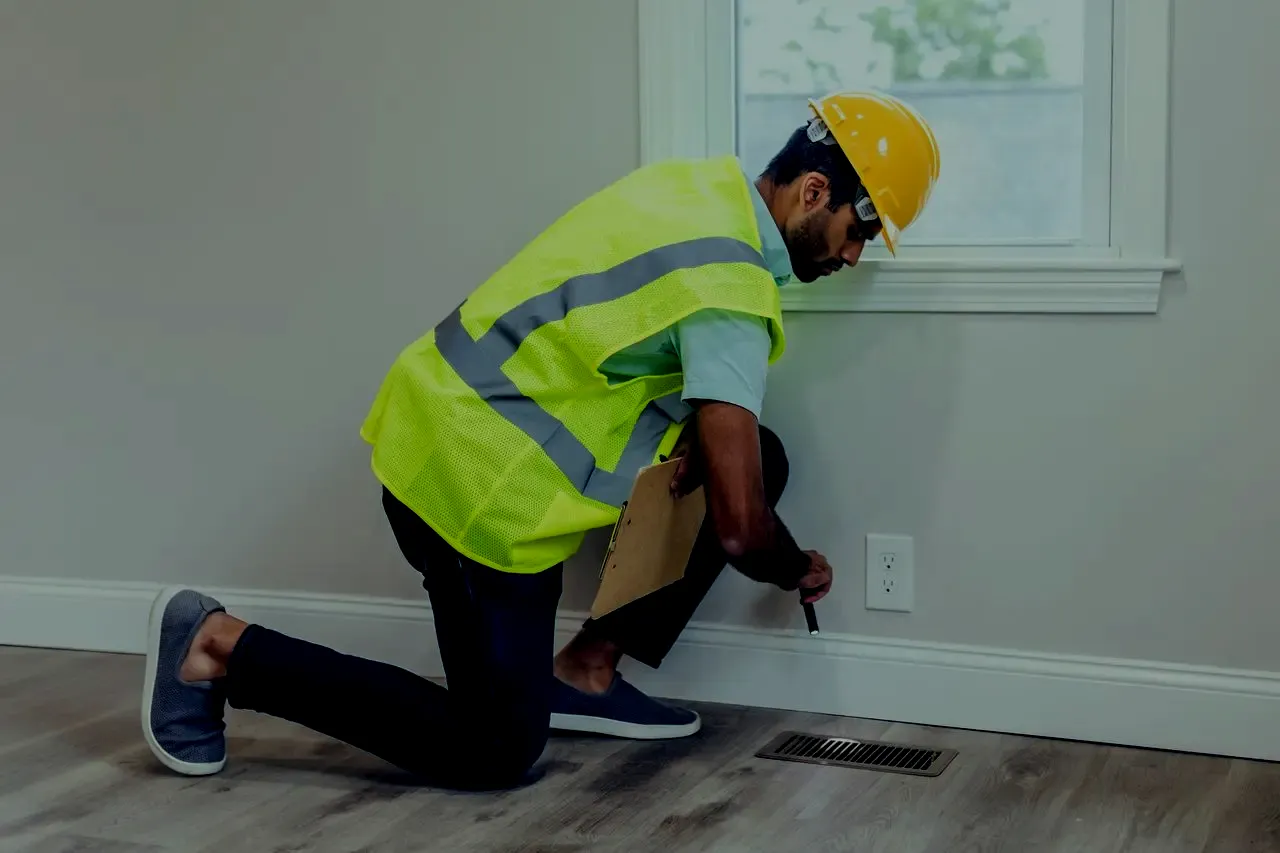
An inspection is a methodical look at the places termites feed and travel, not a quick stroll around the yard. A provider usually circles the outside first, checking the foundation and slab edges for mud tubes, then moves through the garage, door and window frames, baseboards and the attic. They look for live termites, shed wings, hollow or blistered wood, mud tubes and the small pellets drywood termites leave behind, and they note moisture sources and any wood that touches soil. Ask which tools they use and ask for the findings in writing.
Palm Bay's housing is fairly young, but termites still find their way in. Census figures put the median year built at 1993, with 12.9 percent of units built before 1980 and 12.3 percent in 2010 or later, so a provider may look at a home from the 1970s one day and a recent build the next. A common puzzle is wings on a windowsill with no termites in sight. An inspection settles it with evidence, and it keeps you from paying for treatment you do not need or waiting while real damage spreads.
Call (000) 000-0000 and describe what you have noticed: wings on a windowsill, mud tubes on the foundation, pellets under a door frame or a request tied to a home sale. Keep your address or ZIP handy, along with the age of the home, whether it sits on a slab or a crawl space and any past termite treatment. From there, an independent local provider takes over and chooses the visit time.
On arrival, most providers ask where the signs showed up and outline the steps of the visit. Many ask that you leave mud tubes intact and not spray or sweep away wings and pellets beforehand, since that evidence helps identify the termite. Clear a path to the garage walls, the attic access and closets on outside walls, and mention pets or anyone at home with health concerns.
Providers generally start outside at the foundation and slab edges, then work through the garage, frames, baseboards and the attic, beginning where signs were reported. Some bring a moisture meter or other tools; ask how they confirm a reading. Each confirmed sign belongs in the notes, ideally with a photo, so the record reflects what was really there.
Ask the provider to record every area with activity, which kind of termite it appears to be, how heavy it looks and any areas that could not be reached. Good notes carry the date, each area looked at, the kind of evidence and any photos. Tenants can request a copy to pass to the owner or manager. Plain language helps everyone.
Once the search ends, have the provider explain the results in plain terms. With no activity, ask which conditions to correct and how to keep watching. With activity, ask about the options, from soil treatment or bait stations for subterranean termites to spot work for drywood termites, and how the cost is set. The decision is yours.
Some providers carry a moisture meter to find damp wood near leaks or the slab. Ask what a high reading means and how it is checked.
Tapping wood and pressing gently with a probe shows hollow or soft spots in frames, trim and baseboards. Ask whether anything will be probed and how marks are left.
If the home already has bait stations, the inspector may open them and look for feeding as part of the visit. Ask whether existing stations will be checked and noted.
Where a monitoring plan is already running, ask the inspector to compare today's findings with past station records and to write down the next check date.
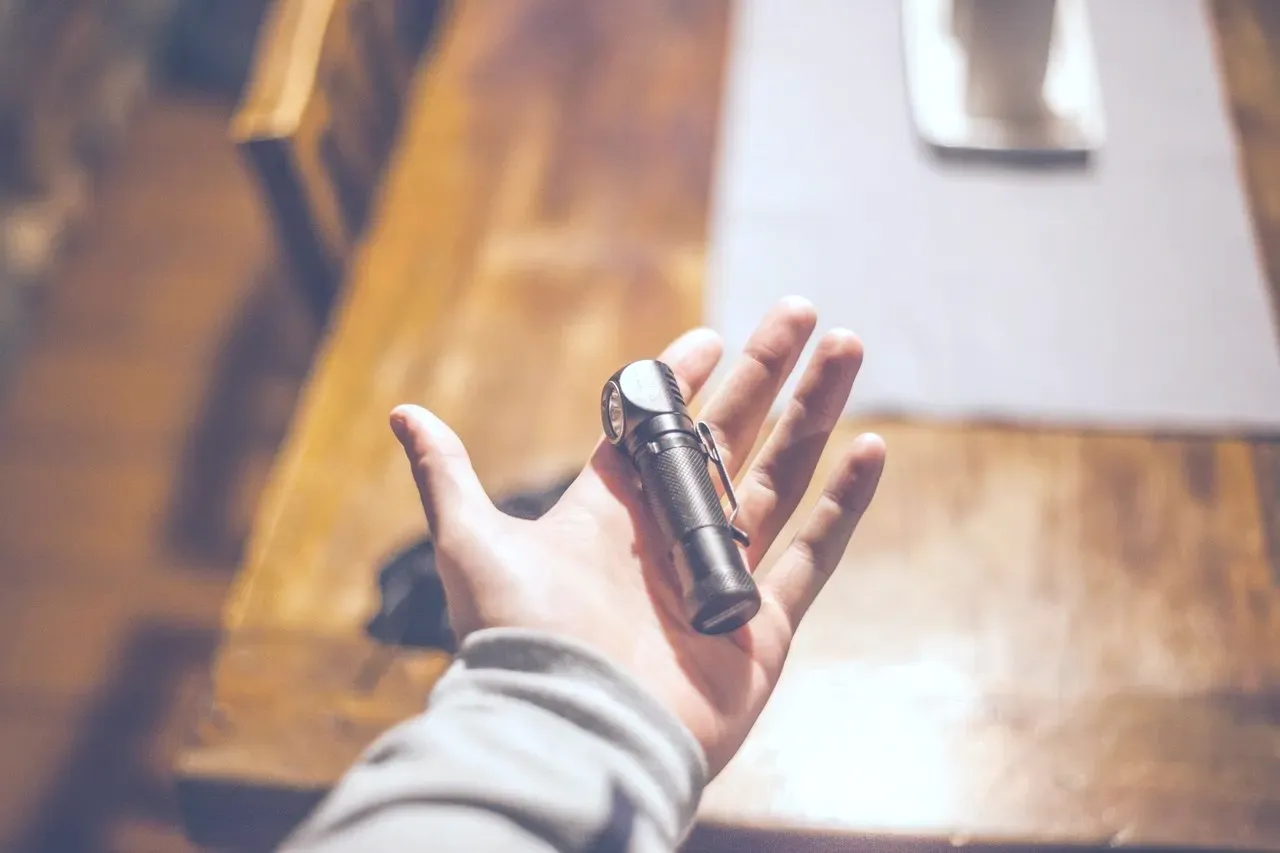
A bright flashlight shows mud tubes along slab edges, wings on sills and pellets in corners. Ask the provider to point out what they find, and use one for your own look before calling.
The attic shows framing and roof wood that is hard to see elsewhere. Clear the hatch and the space beneath it so the provider can get up and look along the beams.
Whatever tools are used, ask whether each suspect spot is confirmed by seeing termites, mud tubes, wings or pellets. A meter reading alone is a weaker basis for a plan. Confirmed results are easier to pass along to an owner or a second provider.
In Florida, FDACS licenses pest control. Look the company up in the FDACS AES Licensing Portal before work starts, and ask whether it has a certified operator in the "Termites and wood-destroying organisms (WDO)" category, not only general household pests. You can also ask for the company's license number.
Integrated pest management pairs inspection, fixing moisture problems, removing wood-to-soil contact and targeted treatment instead of treating everything. Ask how the provider checks results over time and adjusts the plan to what turns up. Fixing conditions often matters as much as treatment.
Ask the provider which conditions near the house invite termites, such as mulch against siding, wood touching soil or a leak by the slab. Structural repair is not offered through this line, so ask who handles damaged wood.
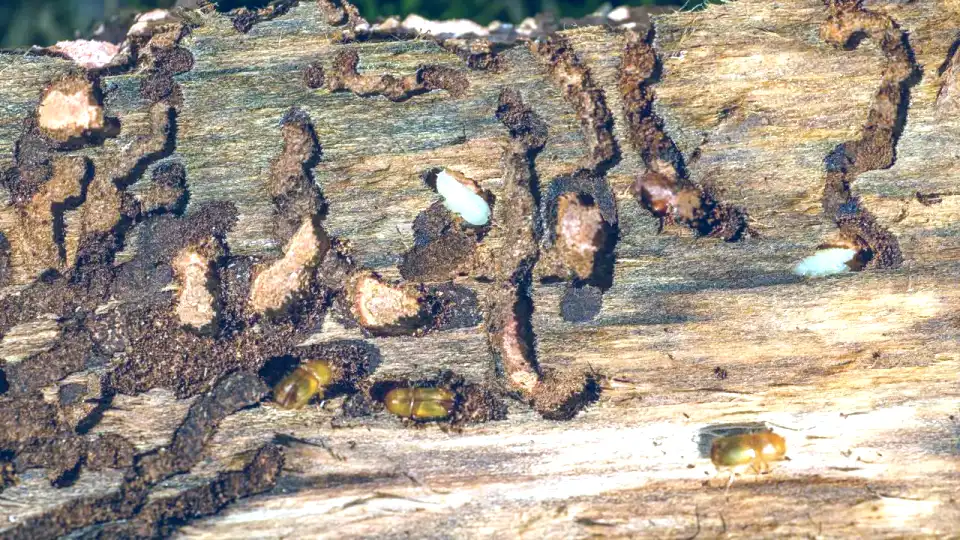
Swarmers and shed wings near windows and doors are a common first sign, but flying ants swarm too. Termites have straight antennae, a thick waist and wings of equal length; ants have bent antennae, a pinched waist and uneven wings. Save a few wings or bodies in a sealed bag or take a sharp photo, and do not spray. The inspection then looks for the colony's source, so you know what you have instead of guessing.
In Florida, a WDO inspection for a real estate transaction is reported on FDACS Form 13645, the "Wood-Destroying Organisms Inspection Report", under Rule 5E-14.142, and filling it out requires special WDO certification. Ask the provider whether they issue that report. Whether a sale needs one is up to the buyer, lender or contract; this site gives no legal advice.
Leave the tubes as they are and take a photo instead of breaking them open. A provider can check the foundation, slab edges, garage and frames around the spot, and look for other tubes or soft wood nearby. If termites are confirmed, ask which kind they are and which treatment fits. If the tubes are old and empty, ask what to watch for. Either way, the guessing stops.
A provider can usually inspect the building's foundation, garages, frames and accessible attics and supply written findings for your files. On a bigger property, the visit can often be split into sections so daily use carries on. In condo buildings, the association usually arranges access to shared areas. Ask the provider which approach suits the property and what records you will get.
Palm Bay's housing spans several decades of building. The median year built is 1993; only 1.4 percent of units were built before 1960, 12.9 percent before 1980 and 12.3 percent in 2010 or later. Newer homes are not immune, because subterranean termites come up from the soil and drywood termites can settle in a single piece of wood with no soil contact at all. UF/IFAS says that in Florida it is always termite season, as colonies keep feeding year-round, although most pest species fly in spring. Normal annual rainfall at Melbourne, the National Weather Service station next to Palm Bay, is 50.79 inches, and moisture near a foundation helps subterranean colonies. The line reaches homes from Port Malabar Country Club and Palm Bay Colony (32905) to Lockmar Acres and Holiday Park (32907), Bridgewater (32908) and the Palm Bay part of 32909. Tenants can request written findings to pass along, and owners can ask how the options and costs are worked out.
Port Malabar Country Club in ZIP 32905, in northeast Palm Bay. Ask the provider to check the slab edges, the garage and the door and window frames, and point out any pellets or wings you have saved.
Bridgewater in ZIP 32908. Ask the provider to start at the slab edges and garage, then look at frames, baseboards and the attic.
Lockmar Acres and Holiday Park in 32907. If you find shed wings on a sill or pellets under a door frame, save a sample or a photo.
In the Palm Bay part of 32909, this covers Waterstone, Stonebriar and the Bayside Lakes area. Check mulch beds, sprinklers and wood near the slab, and save any wings or pellets for the provider.
Termites in one unit of a duplex or condo can affect the next. Providers often ask about checking neighboring units, and the owner, manager or association usually arranges entry.
UF/IFAS notes that in Florida it is always termite season, as colonies keep chewing on wood year-round. Whatever the month, signs are worth a call.
Most pest species fly in spring. UF/IFAS puts Formosan subterranean flights in April and May and West Indian drywood flights in May and June, so wings on sills often show up then.
Melbourne, the weather station next to Palm Bay, averages 50.79 inches of rain a year. Subterranean colonies need moisture, so leaks and wet soil by the slab are worth fixing.
A typical call: a tenant keeps finding small wings on a windowsill each spring but has never seen a termite. The landlord asks for details before arranging anything, and the tenant is unsure what to report.
What to expect: the provider checks sills, frames, baseboards and the slab edges for termites, mud tubes or pellets. Confirmed termites, written up, give the owner a clear basis for arranging treatment. Without that evidence, ask what else might explain the wings.
Afterward: Ask how often the home should be checked again, and report any new wings, tubes or pellets to the landlord in writing, with the date and a photo of what you found.
A typical call: a homeowner finds a mud tube climbing the slab beside the garage. They are unsure whether it is active, how far termites have spread and whether the whole house needs treatment.
What to expect: the inspection shows whether activity is limited to that wall or has spread to frames, baseboards or the attic. That helps decide between a targeted approach and a broader plan. Have each option explained in plain terms before choosing.
Afterward: Ask how and when the treated area will be checked again, and leave the tube in place, with a photo, until the provider has seen it in person.
A typical call: a property manager hears from one owner about wings on a sill, while others have said nothing. Before agreeing to any plan, the manager wants every unit and the foundation looked over.
What to expect: the provider may suggest checking the reported unit, the units beside it and the building's foundation and shared areas. Findings are recorded unit by unit. Find out how treatment areas are chosen and how later visits are scheduled for the building.
Afterward: Ask for a written schedule of later checks. A short notice to owners or tenants listing what to report, such as wings or pellets, can bring early warnings.
Common situations include stray wings, a home-sale request, a mud tube and trouble next door. An inspection swaps guesswork for facts.
You keep sweeping up small wings near a window or door, and nothing explains them. Meanwhile a colony could be feeding inside a wall, a frame or a single piece of trim, out of view. Wings alone do not prove termites, because flying ants swarm too and their wings look similar at a glance. The provider hunts for physical signs and verifies each one. Get the findings on paper: termites or not, and if so, which kind and in which spots.
A buyer, lender or contract may ask about termites before closing. In Florida, a WDO inspection for a real estate transaction is reported on FDACS Form 13645, and filling it out requires special WDO certification. Ask the provider whether they issue that report and when it can be done. Whether a sale needs one is up to the buyer, lender or contract, and this site gives no legal advice about it.
Mud tubes are the narrow earthen tunnels subterranean termites build to travel between the soil and the wood they eat. Spotting one on a slab edge, a garage wall or a pier is a reason to call. Do not break it open or spray it; take a photo instead. A provider can check whether the tube is active, look for others nearby and explain which treatment options fit the house and the soil around it.
In a duplex, townhome or condo, termites found next door raise fair questions about your side. Tell the owner, manager or association in writing, and ask the provider whether the shared wall and neighboring units should be checked. When activity crosses from one unit to another, the building normally coordinates the work on both sides. That is far better than treating one unit and repeating it a year later.
Set by the provider after the call; homes, condos and home-sale reports are scoped differently
The inspection cost comes from the provider you are connected with; this site never sets it. The figure generally depends on the size of the home, whether it has an attic or crawl space to check, whether it is a house, a condo or a whole building and whether a home-sale WDO report is needed. Ask whether it is billed on its own or folded into treatment, how treatment is figured once the findings are in and whether you pay for the visit even if nothing is found. Booking afterward is optional.
Knowing the true scope first keeps a treatment plan grounded. When work is needed, the findings let the provider aim at each affected area, which can cut down on paying for repeat visits. It also shows what does not need treating.
A small condo takes less time than a large house with a garage, an attic and long runs of slab edge. More area usually adds time. Ask the provider how the size and layout of the home affect the cost.
A detached house, a condo and a building with several units are rarely scoped the same way. Several units checked in one trip may be costed as one job or unit by unit. Offices and shops are often discussed by phone first. Ask how your property is handled.
Stored boxes against garage walls, a tight attic or shrubs packed against the foundation slow an inspection, since the provider needs to see slab edges and wood. Ask whether access affects the cost and what to clear first.
Added tools such as a moisture meter may change the figure, compared with a look by eye alone. Find out which approach the provider normally takes and what each extra tool tells them.
The line serves 32905, 32907 and 32908, along with the Palm Bay part of 32909. Visits at the start or end of the day, or on a weekend, may be handled differently, so ask. Each independent provider keeps its own calendar and sets its own costs.

No one from this referral line inspects or treats a home; it is not a pest control company. The provider who takes your call is independent, and checking them out is up to you. In Florida, the Department of Agriculture and Consumer Services (FDACS) licenses pest control, and you can look up a company or a person in the FDACS AES Licensing Portal before work starts. Florida licensing has separate categories, and a company needs a certified operator in each one it offers, so ask about the "Termites and wood-destroying organisms (WDO)" category. Ask how they inspect, which tools they use, whether attached units are checked and whether findings come in writing.
A homeowner spots a thin mud tube running up the slab and wonders whether the whole house is affected. A provider usually checks the foundation, garage, frames and attic for other signs before proposing a plan. Ask for photos and written findings, and leave the tube in place until it has been seen. Any plan and its cost come from that provider; this site plays no part in them.
A landlord hears from one tenant about wings on a windowsill, while other tenants have said nothing. Expect the provider to check that home's sills, frames and slab edges, and to ask about attached units nearby. Results are usually recorded home by home. Keep the written results, ask about return visits, and use both to brief tenants on the plan.
A renter keeps finding small wings near a window but has never seen a termite. The inspection may show termites, or the provider may point to a look-alike such as flying ants, which have bent antennae, a pinched waist and uneven wings. Either way, ask what signs to watch for, report them to the landlord in writing and ask when to call again.
A provider generally checks the outside of the home first, looking at the foundation and slab edges for mud tubes, then works through the garage, frames, baseboards and the attic. They look for live termites, wings, damaged wood and pellets. Visit length depends on the home, so ask about yours, and request photos with written results. Because treatment is a separate step, you have room to read the findings before deciding anything.
In most cases, yes. Treating without confirming termites can mean paying for work that was never needed, and the method depends on whether they are subterranean or drywood. An inspection also finds the affected areas, so treatment can reach each one. Ask the provider to confirm activity and the termite type before costing any treatment.
That is up to the buyer, lender or contract, and this site gives no legal advice. When a WDO inspection is done for a Florida real estate transaction, it is reported on FDACS Form 13645, the "Wood-Destroying Organisms Inspection Report", and filling it out requires special WDO certification. Ask the provider whether they issue that report.
This site has no say in the figure. The provider you are connected with works out the inspection cost after hearing about your home, usually based on its size, the areas to check, the property type and whether a WDO report is needed. Ask whether it is billed apart from treatment. Dial (000) 000-0000 and the call is passed to a provider.
Don't see your question? The referral line can put you through to a local provider for answers on timing and choices.
Ask a provider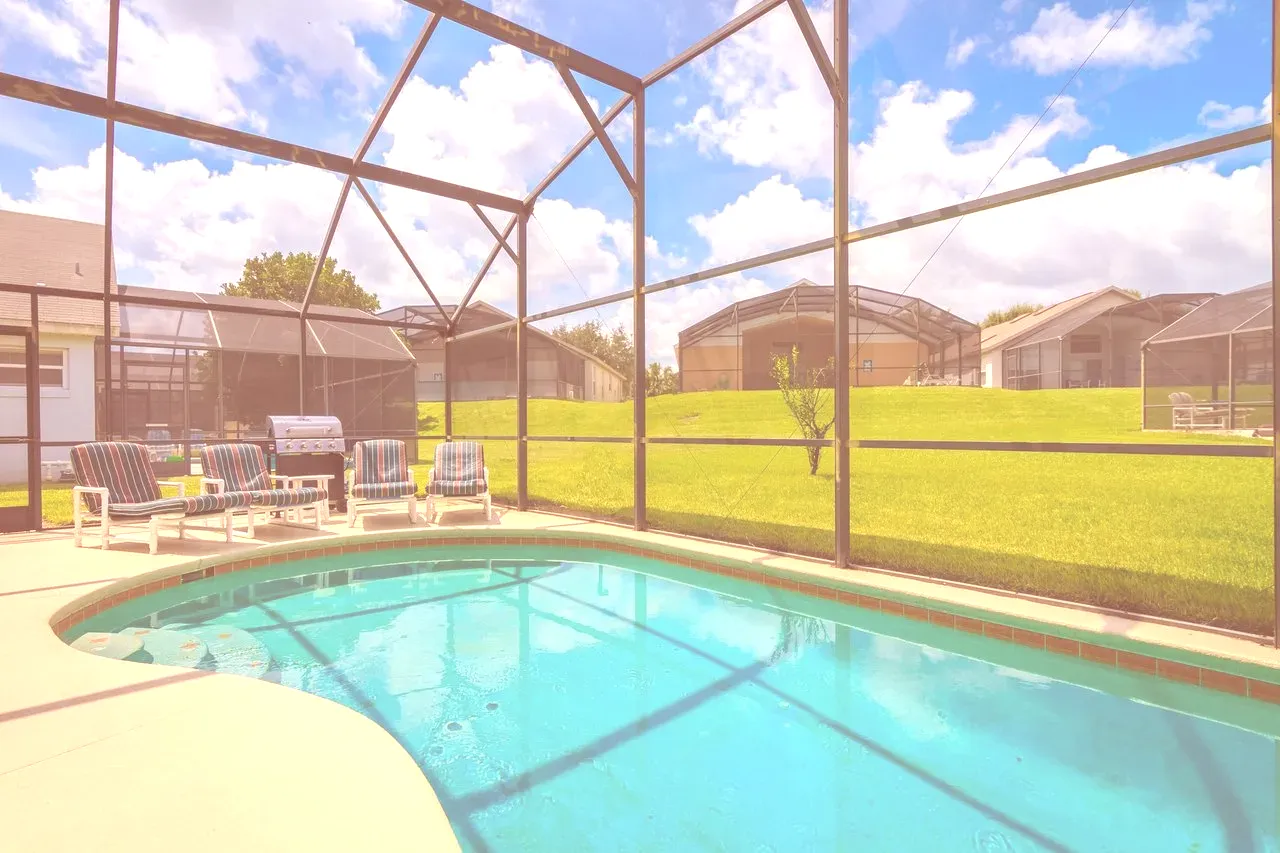
Drywood termites live in small colonies inside a single piece of wood and need no soil contact. Providers usually start by confirming the activity and mapping the affected wood, then talk through localized options. Ask how the provider confirms which wood is affected. Whole-structure tent fumigation is outside this site's scope and is not offered here.
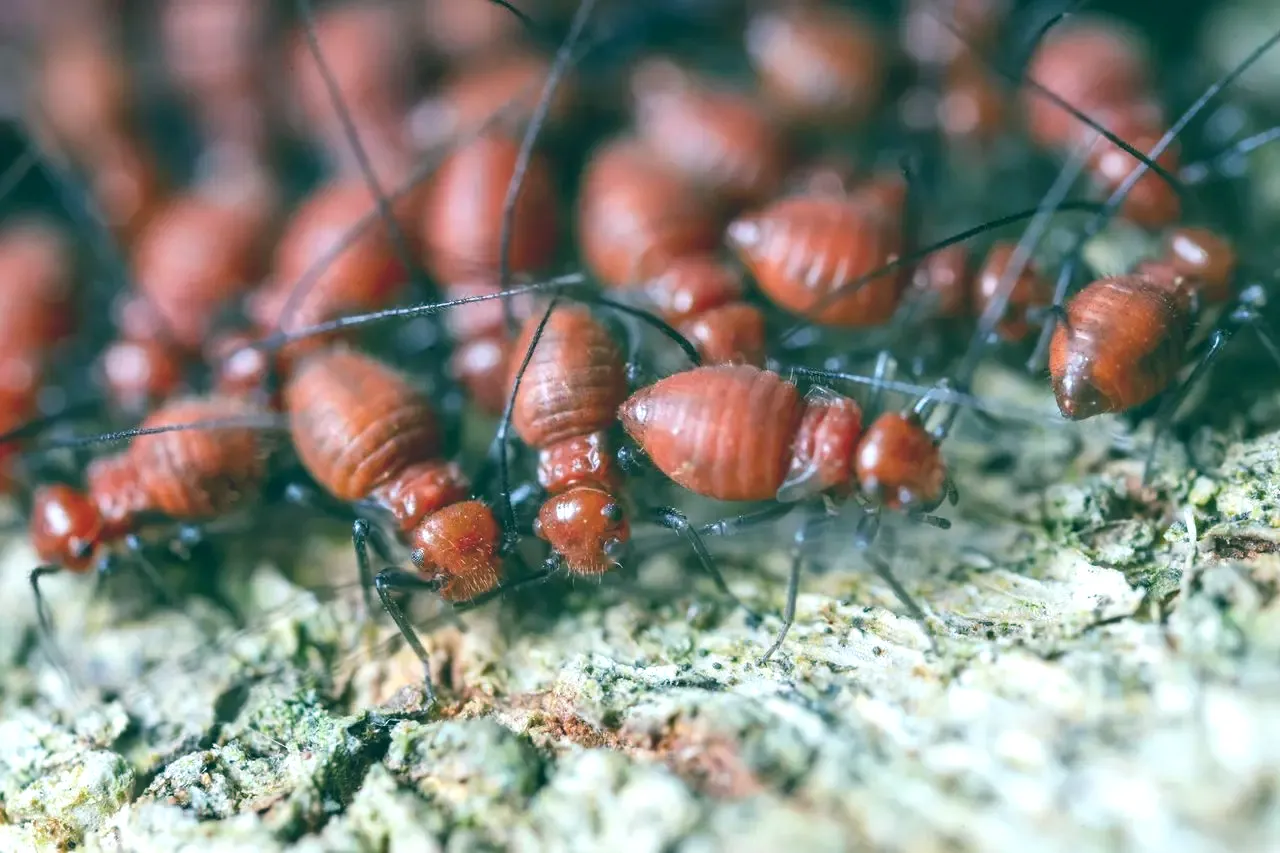
View serviceIn Florida, subterranean termites, including native species and the Formosan termite, build large underground colonies that need soil and moisture. Providers commonly discuss soil treatments or bait station systems after an inspection. Ask which option suits the home and why, and how long the chosen method is expected to last.
View service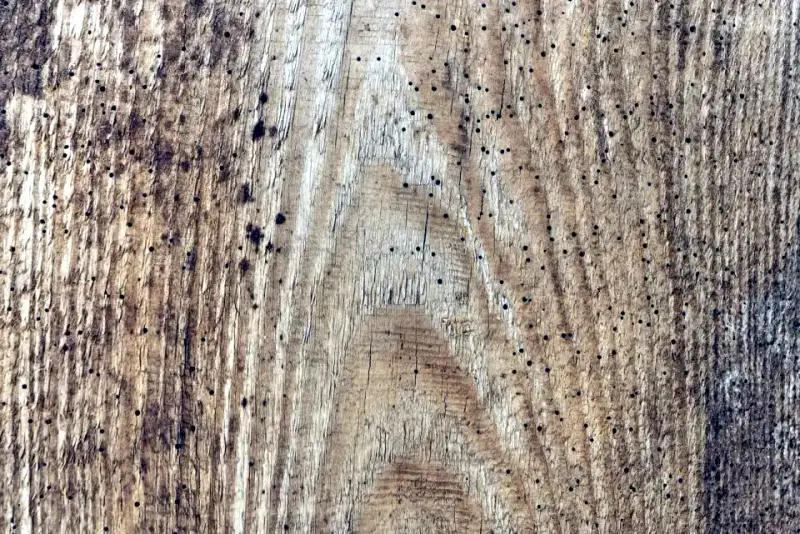
Rental homes, condos and duplexes add owners, managers and neighbors to the plan. Tenants report signs to the owner or manager, who usually arranges access. Keep dates and photos, and ask the provider whether attached units or shared areas should be checked too. In Palm Bay, 20.3 percent of occupied homes are rented.
View service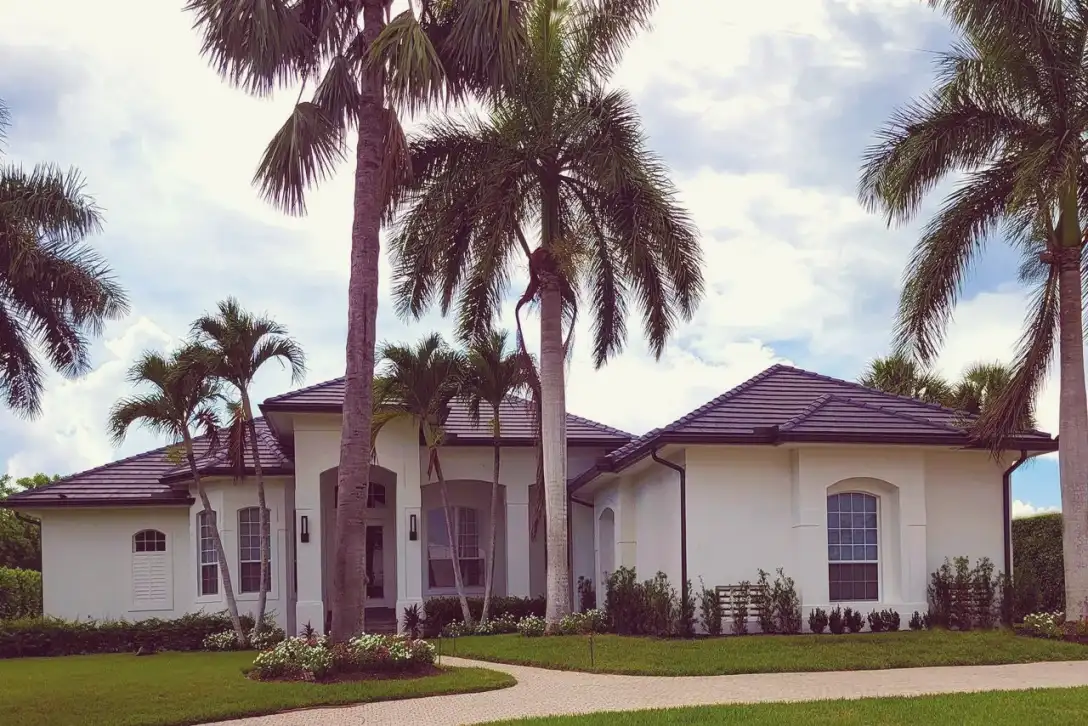
Warranties and re-treatment terms vary by provider and by treatment. Ask what is covered, how long it lasts, how renewals work and how often the home is inspected. The provider sets the terms, not this site, so get them in writing before you agree. Ask whether renewal needs a yearly inspection and what happens if termites return during the term.
View serviceDial the number shown here and a call-tracking service, which may record the conversation, hands you to an independent provider that covers Palm Bay. Calls are connected 7 a.m. to 1 a.m. Eastern Time (8 a.m. to 2 a.m. during daylight saving time). Inspection timing and cost are settled with that provider.