One line to call
A single referral number for termite calls in Palm Bay.
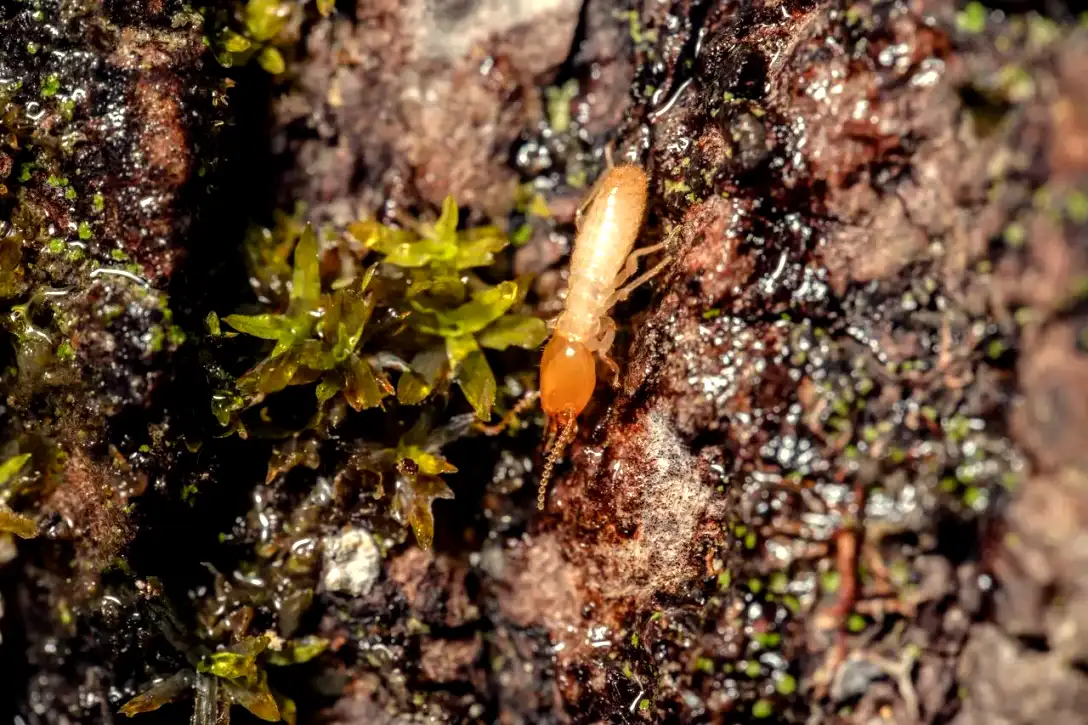
Subterranean termite treatment in Palm Bay, FL deals with colonies that live in the soil and reach a house from below. A provider typically looks at slab edges, foundation walls, expansion joints, plumbing gaps and any wood touching the ground, then explains options such as a liquid soil treatment around the foundation or a bait system set in the yard. Mud tubes on a wall, discarded wings on a windowsill or wood that sounds hollow are all reasons to call the referral line. The line passes your call to an independent local provider, who looks at the home before treating, walks you through the plan and schedules later checks.
A single referral number for termite calls in Palm Bay.
The provider checks the home before naming a cost.
Calls reach providers that serve Palm Bay ZIPs.
Search the company in the FDACS AES portal.
Subterranean termite work is a plan, not a single application. Below is what a provider commonly builds into it, plus the questions worth asking when a home has a slab addition, a porch or a second building.
Before anything is applied, a provider typically walks the outside of the home and checks the garage, slab edges and inside walls. That sets the true scope, so a mud tube behind a water heater or along a porch step is not missed.
A liquid soil treatment can be applied along the foundation to create a treated zone that termites from the ground have to cross. Find out which product goes into the soil near the house and how long people and pets should stay away.
Bait stations set in the soil around the home are checked on a schedule, and bait is added when termites are found feeding. It is aimed at the colony; ask how quickly each method works. Ask which approach fits your home.
Mud tubes are usually opened and checked for live termites, and damaged wood is probed to see how far feeding has gone. What turns up gives the provider a baseline to compare against on later visits.
Most subterranean plans include later inspections, and bait systems need regular visits. Ask how many checks the plan covers and what happens if termites show up again.
Say what you found and where, and a provider near you explains what comes next.
In Palm Bay, subterranean termite treatment means stopping termites that travel from the soil into the wood of a home. In Florida these include native Reticulitermes species and the Formosan subterranean termite, and both build large underground colonies that need access to soil and moisture. The provider usually starts by inspecting the foundation, slab edges, garage, bath areas, door frames and any wood in contact with the ground. Depending on what turns up, the plan may use a liquid soil treatment around the structure, a bait system checked over time, or both. Later inspections look for new mud tubes and feeding, and the provider adjusts the plan to what it finds.
UF/IFAS puts it simply: "In Florida, it is always termite season, as colonies continue to chew on wood year-round." Swarms are the part people notice. Native Reticulitermes flavipes flights run from early January to April, and the Formosan subterranean termite typically swarms between early April and late June, shortly after sunset, with a peak in May. The line covers Port Malabar Country Club, Bridgewater, Lockmar Acres and the Palm Bay part of 32909, along with the rest of the city's ZIPs. This page covers how soil treatments and bait systems work, why checks continue after the first visit, and what to ask first.
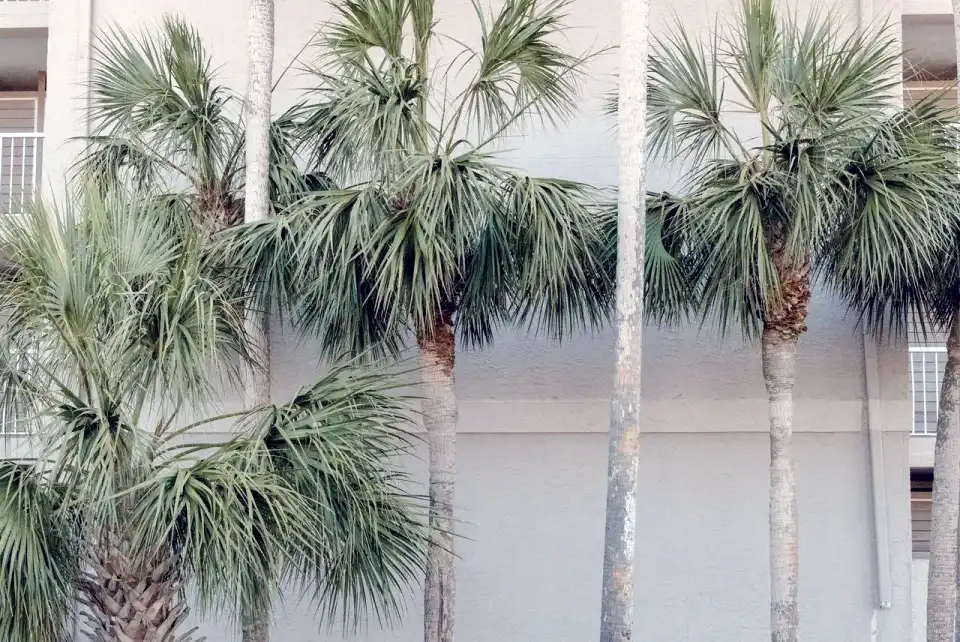
The provider walks the outside of the home and then the inside, looking at slab edges, foundation walls, the garage, door frames, baseboards and attic wood. Mud tubes, discarded wings, blistered paint and wood that sounds hollow are noted. The inspection shows whether termites are active, which kind they are and where they get in.
Ask for a short list of what to do before treatment day: clear stored items away from garage and closet walls, trim plants back from the foundation, and point out any past termite work. Do not disturb mud tubes or spray anything first. Clear access helps the provider reach the soil line.
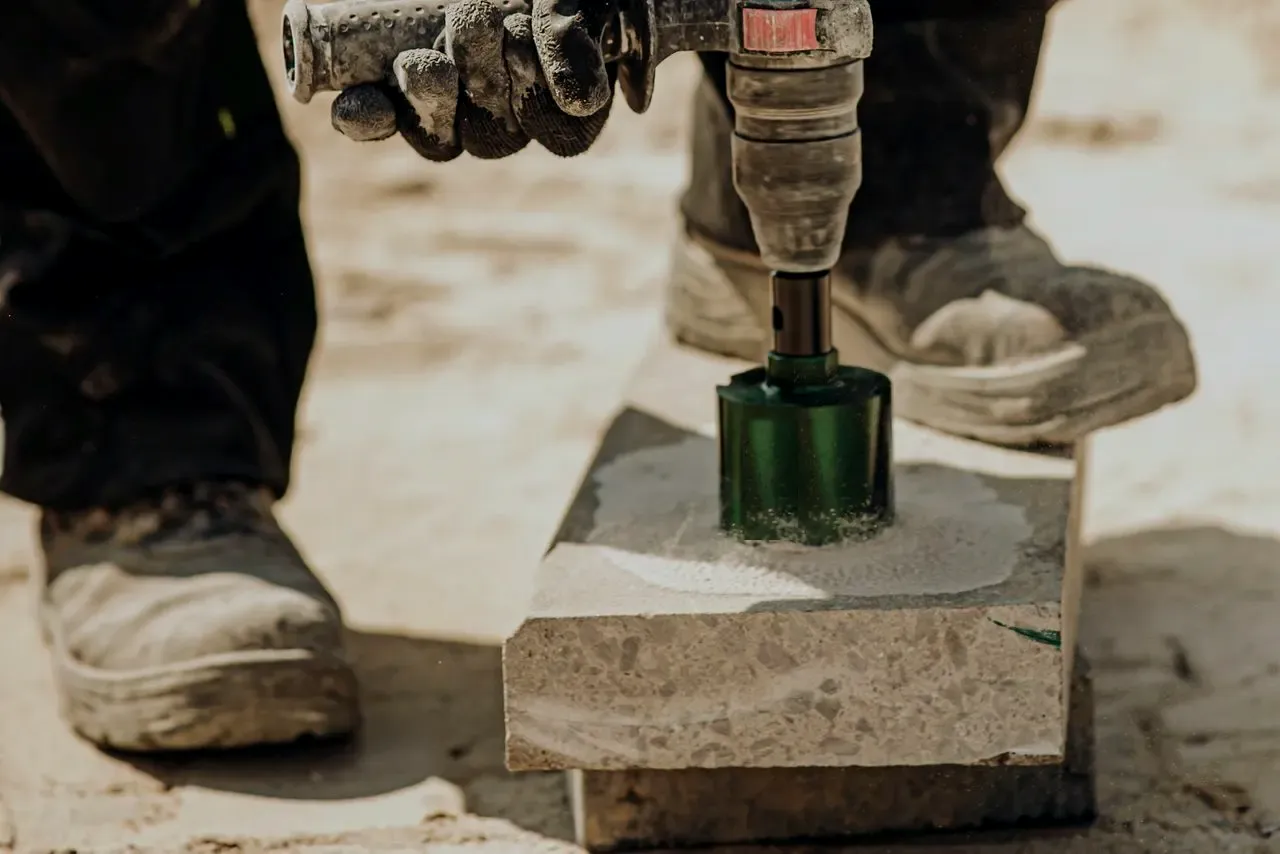
A liquid soil treatment may be applied along the foundation, sometimes through small holes drilled in a slab or patio, or bait stations may be set in the soil around the home. Some plans use both. Find out how many hours the job runs and when the yard and garage are usable again.
Bait stations are checked on a schedule, and treated homes are inspected again for fresh mud tubes or new damage. What those checks find shows whether termites are still feeding, so later decisions rest on evidence, not guesses.
The provider usually comes back on a schedule set in the plan to look for new activity, service any bait stations and treat spots that need it. Ask whether those visits are in the quoted cost and what happens if termites appear between them.

Before any soil work, ask which product goes into the ground by the foundation, garden beds and any well, and how long people and pets should stay off it.
A moisture meter helps some providers find damp wall areas near the slab, where subterranean termites are more likely to feed. Each reading still needs a look by eye.
Tapping baseboards, door frames and garage trim, then pressing with a probe, shows wood that is hollow or soft inside. Ask whether any marks will be left.
Each station is opened on a schedule the provider sets, and every check should be logged. Ask how often visits happen and whether you get a copy of the log.
Breaking a small section of a mud tube shows whether termites still travel through it. A dry, empty tube and a moist, busy one lead to different plans.
Under IPM, a single product is never the whole answer: inspection, treatment, monitoring and moisture control work together. It also means keeping wood off the soil and fixing leaks near walls.
Liquid goes into a shallow trench or through soil rods along the foundation, and slabs or patios may need small drilled holes, so termites from the ground meet a treated zone.
Termites that find bait in a station carry it back and share it through the colony, so the system works on the whole colony rather than one tube.
Wet soil by the slab and wood that touches the ground make it easier for termites to reach a home. Ask which changes around the foundation would help.
The tenant tells the owner or property manager in writing, and the owner arranges access. A provider typically inspects the house, confirms which termite is involved, and explains soil treatment or bait options and any later visits. Ask for written notes for the owner's file. How much work it takes depends on what the inspection finds.
A provider will usually trace the tubes to where they leave the soil, check the rest of the slab edge and the inside walls, and explain the options. Leave the tubes alone until then. Ask whether the plan covers that one area or the whole foundation.
Ask whether the wings came from termites or flying ants, and whether the swarm started inside the house or outdoors. A swarm indoors can point to a colony using the structure. The provider will say whether treatment is needed and which kind of plan fits.
Find out if the visit can happen outside business hours, which products go near the doors and when staff and customers can return. Request written notes for the business's records and follow-up checks that fit the work week. Reopening the treated area is the provider's call.
Palm Bay's housing shapes how subterranean termite work gets planned. Of the city's 50,147 housing units, the median dates from 1993. Only 1.4 percent went up before 1960 and 12.9 percent before 1980, while 12.3 percent date from 2010 or later, so a provider may see a home from the 1970s one day and one finished in the last decade the next, in neighborhoods from Port Malabar Country Club to Bridgewater. Each housing type brings its own checks: renters occupy 20.3 percent of homes, 11.3 percent of units are in buildings of two or more, and 3.2 percent are mobile homes. Subterranean termites need soil and moisture, and normal annual rainfall at Melbourne, the National Weather Service station next to Palm Bay, is 50.79 inches. In Florida these termites stay active all year. For termite control in Palm Bay, Florida, one call to the line reaches an independent provider who works locally. No City of Palm Bay permit for termite treatment was found; check the provider in the FDACS AES Licensing Portal first.
Platted as Country Club Units 1-10 in northeast Palm Bay, ZIP 32905. Providers check slab edges, garage walls and any wood touching the soil before treating.
A platted Palm Bay subdivision; Port Malabar Units 31, 32, 37 and 49 share its ZIP, 32908. Subterranean termites reach homes from the soil, so providers start at the foundation and follow any mud tubes.
Lockmar Acres, Holiday Park and Tuscany Estates in ZIP 32907. Providers inspect the outside perimeter and the garage first, then any rooms where swarmers were seen.
Two subdivisions in ZIP 32905, the same ZIP as Driskell Heights and Highland Shores. Providers check foundations, porches and fences before deciding how wide the plan should be.
With 11.3 percent of Palm Bay's units in buildings of two or more, a slab or foundation is often shared. Termites found under one unit may be feeding under the next, so ask whether attached units will be inspected.
Older homes may have past termite work on record and more years of settling around slabs and steps. Providers ask about earlier treatment and check porches and additions closely.
Native Reticulitermes flights start in early January, and in Florida the Formosan subterranean termite swarms from early April to late June. Swarms are often the first sign seen.
UF/IFAS says that in Florida it is always termite season, because colonies keep feeding on wood all year. A December call about mud tubes is handled like one in May.
A typical case: a renter sees a cloud of winged insects by a sliding door one spring afternoon after rain. Wings pile up on the sill, and a mud tube runs up the garage wall nearby.
The provider may confirm the species, treat the soil along the foundation or set bait stations, and schedule later inspections. What those checks find decides what comes next.
Afterward: Keep stored items off the garage walls, fix leaks near the slab and report new tubes or wings to the owner in writing. The owner keeps the provider's notes with the rental file.
A typical case: a homeowner notices mud tubes on the inside of the garage wall and a baseboard that gives when pressed. The rest of the house still needs a careful look.
The provider may trace the tubes, treat the soil along the foundation and inspect the rest of the house. Later checks show whether activity has stopped. Cost depends on method.
Afterward: Keep mulch and stored wood back from the foundation, fix dripping hose bibs and look along the slab edge every few months for new tubes. Report anything new promptly.
A typical case: a household finds winged termites around a bathroom light one spring evening. Discarded wings collect on the window sill and the bathroom floor.
The provider identifies the termites, looks for where they are getting in and explains soil treatment or bait options. Later inspections tell the provider whether more work is due.
Afterward: Save a few wings or insects in a sealed bag for the provider, and do not spray the area. After treatment, look for new tubes along the slab and keep gutters draining away from walls.
Termites feed out of sight, and the colony keeps feeding while you wait. Common situations include the four below, with what a provider usually does about each.
In duplexes and other attached homes, subterranean termites can travel under a shared slab and reach more than one unit. If one side is treated while the other is not, activity can show up next door later. Providers commonly inspect the affected unit, the attached units and the shared foundation. If you rent or manage, find out who books entry to each unit and whether the attached ones go on the same plan.
Mud tubes are pencil-width tunnels of soil that subterranean termites build to travel between the ground and wood while staying out of dry air. A tube that is moist or has live termites inside points to an active colony. A provider usually traces the tubes, checks the slab edge and walls, confirms activity, and then explains treatment. Leave them alone until the inspection.
A swarm of winged insects inside the house, or piles of shed wings on window sills, is a sign worth acting on. In Florida, native Reticulitermes flights run from early January to April, often on warm afternoons after rain, and the Formosan subterranean termite usually swarms from early April to late June, shortly after sunset. Save a few for the provider and book an inspection.
Spraying the termites in a mud tube kills a few but does not reach the colony in the soil, and breaking tubes only leads them to build new ones. Activity often returns and may show up in another room. A provider looks at the whole foundation and chooses between soil treatment and bait. Mention any product you already tried and the spot you put it on.
Set by the provider after inspection, by home size and method
No figures appear on this site. For subterranean termite treatment in Palm Bay, FL, the provider sets the amount after inspecting, and it depends on the size and footprint of the home, whether it sits on a slab with patios or additions, how much activity is found, whether a soil treatment, a bait system or both are planned, and how many later inspections or renewals are included. Ask for the whole plan on paper before anyone starts, showing the total and what the first treatment and every later visit cover. If a figure seems very low, ask what renewals and monitoring visits cost, because those are part of the plan.
Find out how many visits the quote includes, what will be applied near the home and what happens if termites come back. Leave damaged wood in place until the inspection; repairs are a separate job not offered here.
A small home with a short perimeter is a smaller job than a large one with several additions. Every extra foot of foundation adds time and product, so a big house usually costs more than a compact one.
A few tubes in one spot take less time than activity in several walls, the garage and a porch. Wider activity generally means more material and more checks.
Soil under a patio, driveway or slab addition may need drilling to reach. Homes with several slabs, decks or attached structures take longer to treat than a simple footprint.
When a slab or wall is shared with another unit, inspection and access take longer. Ask the provider to quote the whole building plan so the owner or manager sees the full scope first.
Bait station monitoring, renewals and extra inspections are often quoted separately. Find out which extras are suggested, why each one is there, and which you could leave out.

This site is a referral service. It does no termite work and makes no claims about any provider. In Florida, pest control is licensed by FDACS, the Florida Department of Agriculture and Consumer Services, and its licensing has separate categories, one of them "Termites and wood-destroying organisms (WDO)". A UF/IFAS guide notes that a company needs a certified operator in each category it offers. Before work starts, look the company or person up in the FDACS AES Licensing Portal, and ask whether it has a certified operator in the termite and WDO category, not only general household pests. Ask what will be applied near the home and how long people and pets should keep clear.
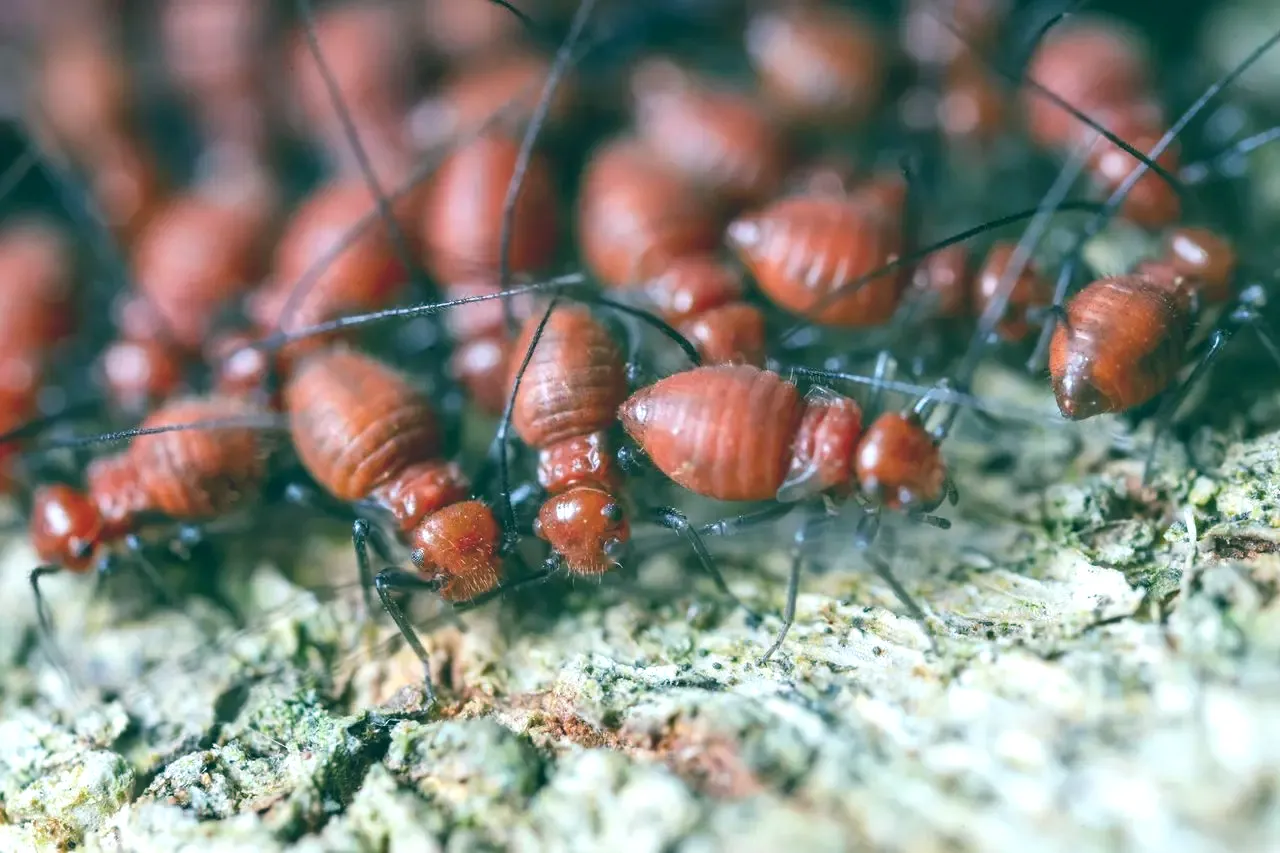
A homeowner finds mud tubes along the garage wall and wonders whether treating that one wall is enough. The provider should inspect the whole foundation, explain soil treatment and bait options, and say what will be applied near the home. Plan on later inspections afterward.
A landlord hears from a tenant about winged termites at a window in one rental house. The provider will probably inspect that home and its foundation, confirm the species, and lay out soil treatment or bait options. Before work begins, ask for written inspection notes and the dates of any monitoring visits.
A renter is about to spray a can of bug killer into mud tubes on the garage wall. The better move is to leave the tubes alone, tell the owner or manager in writing and wait for the inspection. The provider can then see where termites get in and explain the treatment the owner may choose.
The provider is the one to ask, since it turns on the method and where it goes. A soil treatment goes into the ground along the foundation, and bait stations sit in the soil around the home, so neither is spread across rooms. Ask what will be applied near the house, play areas, gardens and any well, and how long to keep children and pets clear. Mention any infants, allergies or health conditions before the visit, and check the company in the FDACS AES Licensing Portal before work starts.
Go by the provider's answer. It depends on what was applied, where and how the soil was treated, and the weather. Ask whether children and pets should stay off treated soil, whether watering or digging near the foundation should wait, and for how long. Have the answer written down before the provider leaves, and do not dig along the foundation without asking.
Both are common, and the provider chooses after the inspection. A liquid soil treatment creates a treated zone along the foundation. A bait system uses stations in the soil that are checked on a schedule, and termites carry the bait back to the colony. Some homes get both. Ask why the provider suggests one method and what the monitoring schedule is.
That depends on the method, the soil, and changes around the home such as new patios, landscaping or plumbing work, so ask the provider. Bait systems need ongoing service, and many soil treatment plans include later inspections. Ask whether renewal or monitoring terms come with the plan, and for how long. UF/IFAS notes that in Florida colonies keep feeding year-round, so regular checks matter.
Don't see your question? The referral line can put you through to a local provider for answers on timing and choices.
Ask a provider
Before anything is applied, the provider should confirm there are termites, which kind they are and where they get in. A termite inspection covers foundation walls, slab edges, the garage, door frames and attic wood in Palm Bay homes. The findings set the scope of any treatment.
View service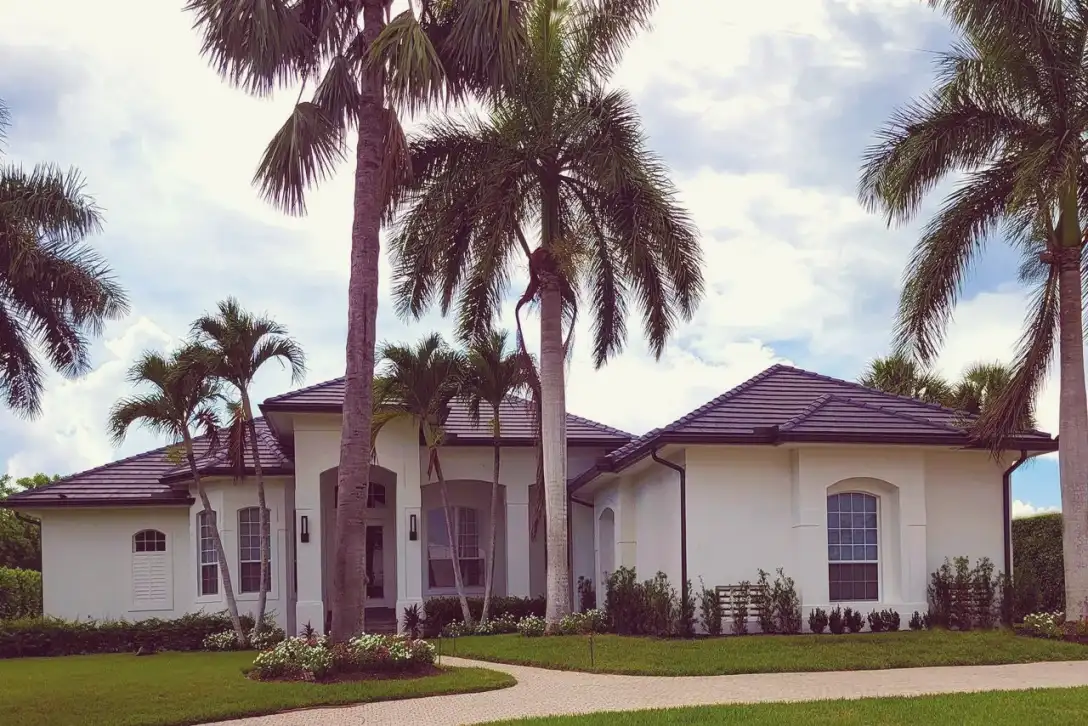
Drywood termites live in small colonies inside a single piece of wood and need no contact with the soil. Signs include small pellets near trim, furniture or window frames. Providers discuss localized options; whole-structure fumigation, or tenting, is outside this site's scope.
View service
Rental homes, duplexes and condos call for their own plan. Tenants report signs to the owner or property manager, who arranges access for the inspection and treatment. Rented homes make up 20.3 percent of Palm Bay's occupied homes. Ask for written notes for the file.
View service
Many termite plans come with renewable warranties or re-treatment terms set by the provider. Ask what is covered, how long it lasts, what renewal costs and how often the home is inspected. This site makes no promises about any terms.
View serviceDial the number shown here and a call-tracking service, which may record the conversation, hands you to an independent provider that covers Palm Bay. Calls are connected 7 a.m. to 1 a.m. Eastern Time (8 a.m. to 2 a.m. during daylight saving time). Inspection timing and cost are settled with that provider.